Hassan Khan
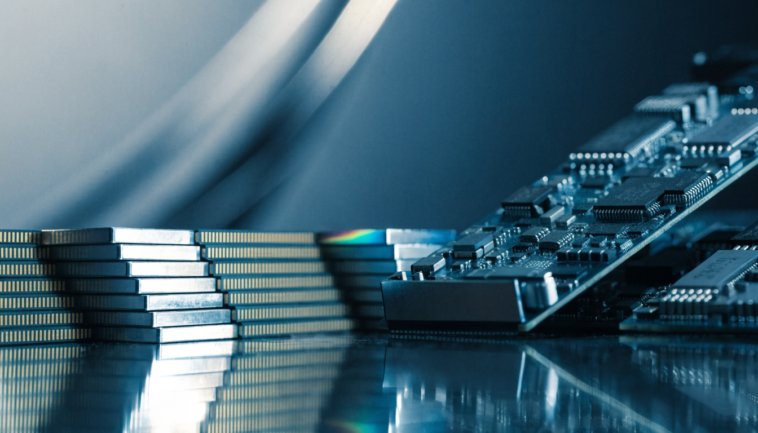
Xiaomi reported its third consecutive quarterly profit decline on August 18, 2026, with adjusted net income falling about 43 percent to 6.22 billion yuan for the June quarter and revenue down roughly 6.1 percent. According to Bloomberg, softer smartphone demand combined with a sharp rise in memory chip prices squeezed margins across the company’s core hardware business.
The memory crunch is the story
Memory is one of the largest single components of a smartphone bill of materials. When DRAM and NAND prices rise, phone makers face a straightforward and unpleasant choice: absorb the cost and watch margins compress, or raise retail prices and watch volumes fall. Xiaomi, which built its brand on aggressive pricing at the mid range, has less room to pass costs on than premium brands do.

The pressure is not unique to Xiaomi. Huawei publicly warned about rising memory chip costs earlier this month, and the same dynamic is being discussed across the Android supply chain. What is driving it is the enormous demand for high bandwidth memory from AI data centre builders, which has pulled manufacturing capacity and pricing power toward server memory and away from consumer devices.
Electric vehicles are the bright spot
Not everything moved in the wrong direction. Xiaomi’s electric vehicle revenue climbed roughly 16 percent to about 23.9 billion yuan in the quarter, with more than 104,000 vehicles delivered. That business, launched only recently, is now large enough to meaningfully change the shape of the company.
This is the strategic bet Xiaomi has been making in public: use the phone business as a distribution and brand engine, then expand into higher value categories where the competition is less brutal. The quarter suggests the EV side is working while the original engine is under strain.
Context from the wider Chinese tech earnings cycle
Xiaomi reported on the same day as Baidu, which posted second quarter revenue of about 31.3 billion yuan with AI related business accounting for roughly half of it. Baidu’s AI cloud infrastructure revenue grew about 50 percent year on year. The contrast between the two sets of numbers is a clean illustration of where value is currently accruing in the technology sector: infrastructure and AI services are expanding, while consumer hardware is being taxed by the very component demand that AI created.
What this means for readers
If you buy devices for a team, budget for higher prices on new laptops and phones through the rest of 2026 and into 2027. Component cost increases take one to two product cycles to show up at retail, and the current cycle has not fully landed yet. Buying a little earlier than planned, or holding existing hardware a little longer, are both reasonable responses depending on where you are in your replacement cycle.
If you sell services rather than hardware, the read across is different but still useful. Cost inflation in one part of a supply chain reliably pushes companies to look for savings elsewhere, and one of the first places they look is discretionary spending on agencies, contractors and tooling. Freelancers and small agencies serving hardware adjacent clients should expect tighter budget conversations.
The broader point is that the AI buildout is not a story that only affects AI companies. It is reshaping component pricing, capital allocation and margin structures for businesses that have nothing to do with training models, and Xiaomi’s quarter is a clear example of that spillover.