

 Hajra Naz
The Gulf Cooperation Council (GCC) region is rapidly diversifying away from oil dependence. Nations like Saudi Arabia, the UAE, Qatar, Kuwait, Bahrain, and Oman are pouring massive capital into digital infrastructure, artificial intelligence, and private-sector expansion.
The GCC digital transformation market alone is projected to surpass $80 billion by 2030, growing at a compound annual growth rate (CAGR) of over 16%. Simultaneously, the region’s total gig and flexible workforce segment is seeing annual growth above 20%. Freelancers and service providers who rely exclusively on crowded global marketplaces like Upwork or Fiverr miss the highest-paying work. GCC businesses and public sectors do not post most high-value assignments there.

To secure lucrative contracts, you must bypass the noise. You need country-specific platforms, official government procurement portals, and precise outreach strategies.
Why the GCC Market Offers Unmatched Value
High budgets and expanding commercial sectors make Gulf enterprises ideal partners. Unlike traditional gig marketplaces where pricing faces downward pressure, GCC businesses invest aggressively in quality and speed.
Key sectors actively procuring external expertise include:
Digital Marketing & Paid Media: Brands need high-ROAS localized campaigns.
AI, Automation & Workflow Design: Companies want rapid enterprise efficiency.
Full-Stack & Web Development: Regional brands require modern UI/UX and custom web apps.
Video Production & Motion Graphics: Short-form storytelling drives regional engagement.
E-Commerce Strategy & Logistics Setup: Online retail spending across the Gulf is expanding past $50 billion.
Business Consulting & Specialized Virtual Assistance: Firms demand operational agility without fixed overheads.
Stop looking only for low-budget jobs. Target fixed-scope projects, annual service contracts, enterprise subcontracts, and public tenders.
Read More: 5 Innovations Shaping the Future of GCC Economies
1. Saudi Arabia (KSA): The Economic Powerhouse
Driven by Vision 2030, Saudi Arabia is the largest market in the region. The Kingdom has allocated billions to giga-projects like NEOM, Red Sea Global, and Qiddiya. These initiatives demand substantial external tech and creative capacity.
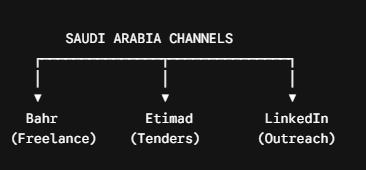
Bahr: A dedicated platform backed by the Saudi Ministry of Human Resources. It connects verified local freelancers and service providers directly with registered Saudi enterprises.
Etimad: The official government procurement portal. Etimad processes tens of thousands of tenders annually, covering digital media, software architecture, technical audits, and administrative consulting. Foreign and local entities can register, review open procurement requests, and bid electronically.
Targeting Strategy
Focus outreach on high-growth sectors:
Fast-growing digital agencies in Riyadh and Jeddah.
D2C e-commerce brands and omnichannel retail groups.
Commercial real estate developers and luxury hospitality groups.
Early-stage tech startups backed by regional venture funds.
Saudi decision-makers prioritize professional, respectful communication. They value prompt responses, demonstrable industry familiarity, and partners who focus on long-term relationships over one-off transactions.
Read More: Did LEAP 2026 Bring a New Cybersecurity Partnership Between Pakistan and Saudi Arabia?
2. United Arab Emirates (UAE): The Global Innovation Hub
The UAE is the region’s centre for commercial innovation. The country accounts for roughly 40% of all Middle Eastern startup funding. Over 70% of Fortune 500 regional headquarters operate from Dubai and Abu Dhabi.
| Focus Area | Top Cities | Primary Sectors |
| Commercial & Tech Hubs | Dubai, Abu Dhabi, Sharjah | Real Estate, PropTech, FinTech, Media, Tourism |
Key Platforms
UAE Marketplace: A platform connecting corporate entities with specialized freelance talent across software, branding, marketing, and media.
GoFreelance: An official initiative associated with Dubai Media City and Dubai Internet City. It grants talent direct access to its internal marketplace ecosystem.
UAE Digital Procurement Platform: Operated by the UAE Ministry of Finance. It consolidates federal tenders across creative, IT, infrastructural, and advisory services into a single system.
Outreach Focus
Target businesses in Dubai, Abu Dhabi, and Sharjah. Focus specifically on real estate developers, FinTech apps, luxury hospitality providers, and tech startups. Direct cold outreach via LinkedIn to Marketing Directors, Founders, and Heads of procurement yields high conversion rates when supported by clear case studies.
3. Qatar: High-Yield Specialized Contracts
Qatar holds one of the highest GDP per capita rates globally. The country continues to build an advanced, post-tournament knowledge economy through its National Vision 2030 initiatives.
Key Platforms
Tasklink Qatar: A regional platform connecting businesses with vetted independent talent. It features listings in custom web architecture, branding, corporate marketing, and administrative management.
Public Procurement Portals: Institutional organizations, including Qatar Customs, state-backed logistics zones, and national healthcare systems maintain dedicated digital procurement portals for technical and consulting vendors.
Strategic Angle
Target engineering firms, sports organizations, luxury lifestyle outlets, and digital consulting groups in Doha. Use targeted LinkedIn searches:
- Digital Marketing AND Doha
- E-commerce Director AND Qatar
- Head of IT AND Qatar
Examine the company’s current performance gaps. Formulate a custom proposal showing where revenue or user engagement can be improved, then pitch the relevant executive directly.
Read More: How to Find Remote Contract Jobs With Global Companies in 2026
4. Kuwait: The High-Ticket Private Sector
Kuwait features an affluent consumer base. Its commercial sector is marked by strong purchasing power, particularly in mobile commerce, food and beverage, and creative branding.
Kuwait Government Online: The state’s public procurement portal publishes municipal and ministerial tenders across communications, technology support, and management services.
Commercial Targets: Focus on established local franchises, digital agencies, private healthcare systems, and consumer brands.
Avoid generic pitches like, “I am a freelancer looking for work.”
Instead, lead with diagnostics:
“I audited your digital purchase funnel and identified two issues dropping your checkout conversions on mobile devices. Here is a clear solution to fix them.”
Audits establish expertise instantly and set the stage for high-ticket retaining fees.
5. Bahrain: The FinTech & Startup Sandbox
Bahrain offers a streamlined regulatory environment. The country is home to prominent regional cloud and financial technology companies, backed by organizations like the Bahrain Economic Development Board (EDB).
Bahrain Tender Board: A transparent, award-winning public procurement system. It provides full visibility into current tenders, planned procurement cycles, and recent contract awards.
Key Sectors: FinTech innovators, regional software hubs, and expanding retail businesses.
Bahrain is compact, but it serves as an agile springboard. Gaining traction with a Bahraini FinTech or regional SME often opens direct business relationships across the Saudi border.
6. Oman: Sustainable Diversification
Oman’s Vision 2040 emphasizes economic sustainability, tourism, logistics, and digital public services.
Government & Public Sector Portals: The Sultanate routes ministerial needs and digital development contracts through centralized state bidding platforms.
Key Commercial Industries: Logistics, renewable energy, eco-tourism, retail, and regional creative studios.
Search for commercial outfits in Muscat. Focus on web design firms, logistics portals, and retail groups. Build targeted lead lists and conduct methodical outreach to business development managers.
The 5-Step System for Landing GCC Contracts
Do not spray generic messages across all six markets simultaneously. Precision drives results in the Gulf.
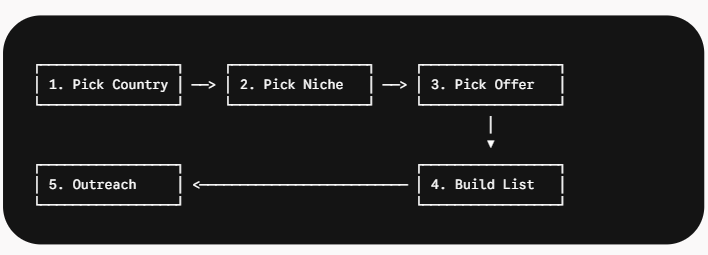
Select One Country: Choose one market first, such as Saudi Arabia or the UAE. Master its regional context, commercial norms, and business priorities.
Select One Specific Industry: Narrow your focus to a defined sector, like Real Estate, E-Commerce, or B2B SaaS.
Define a Clear Offer: Package your service to solve an explicit business problem (for example: “Building automated lead qualification workflows for commercial property developers”).
Build a Curated List: Use LinkedIn Sales Navigator and company databases to locate 100 relevant companies in your chosen market. Identify the Chief Marketing Officer, Founder, or Operations Director for each.
Run Structured Outreach: Contact decision-makers through personalized email and professional LinkedIn messages. Present relevant portfolio samples, reference clear business outcomes, and offer a preliminary strategic audit. Follow up consistently.
Read More: How to Build a Freelance Portfolio Website That Gets You Hired in 2026
The Reality of Winning Enterprise GCC Work
The largest contracts in the GCC are rarely posted on public job boards. Premium projects flow through direct corporate channels, agency subcontracts, early-stage partnerships, and state tenders.
Position your offering where Gulf businesses already look. Choose your target territory, select a specialized commercial niche, address concrete operational problems, and run structured, value-driven outreach. High-budget GCC clients are actively looking for reliable expertise. You just need to reach out to them directly.