Huma Siraj
Many Years ago, NASA faced an unusual challenge. Astronauts needed to take notes in zero gravity, but traditional pencils posed a risk the lead could break off and float away, endangering both astronauts and sensitive equipment.
The solution came through collaboration with inventor Paul Fisher, leading to the creation of the “space pen” in 1968. It wasn’t just about writing in space; it was about ensuring the human hand and intellect remained part of the mission in an increasingly technological world.

This story beautifully reminds us that innovation isn’t only about replacing human effort; it’s about elevating it.
How Might AI Change Human Potential?
Artificial Intelligence is often viewed through the lens of automation and efficiency, but its true strength lies elsewhere.
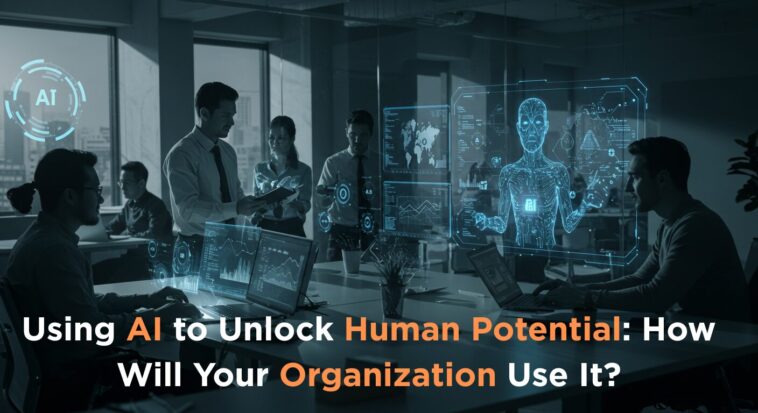
AI’s real promise is in enhancing human creativity, decision-making, and collaboration not replacing them.
The focus has shifted from “Doing more with less” to “doing better by doing differently.”
When repetitive routines are automated, people can focus on what truly matters: thinking, interpreting, creating, and connecting.
Clarity: The First Step to Transformation
Before launching any AI initiative, organizations must ask a timeless question:
“What problem are we trying to solve?”
This clarity guides innovation: whether it’s about removing operational bottlenecks, improving accuracy, or making space for creativity.
A clear purpose ensures teams understand why a technology is being used, fostering alignment, engagement, and trust.
Adopt a Purpose Driven AI Strategy
To truly unlock human potential, AI must be implemented with intention. This begins with skill development. Traditional learning systems often use a one size fits all model, but AI can personalize learning identifying individual strengths, gaps, and goals.
Employees can learn in real time, without disrupting their workday, making development continuous and meaningful.
When people understand what good looks like, they naturally perform better. Leaders should partner with their teams to pinpoint which tasks bring real value and where human insight matters most. Clear priorities lead to sharper focus and better outcomes.
Mindset and Culture Matter
Technology sets the stage, but culture writes the story. The ancient Greeks called it paideia a culture of learning, growth, and self improvement.
In today’s AI-driven workplaces, leaders must cultivate that same mindset: transparency, adaptability, and encouragement amid change.
The best organizations share cultural traits such as:
-
Accountability: Owning outcomes and driving excellence.
-
Bravery: Speaking up when systems need improvement.
-
Inclusion: Embracing diverse perspectives for richer decisions.
-
Optimism: Believing that challenges can be solved.
Psychologist Carol Dweck’s research on the “Growth Mindset” confirms this: when people believe they can grow, they take more risks, learn from mistakes, and contribute more fully.
AI can accelerate this growth by offering personalized challenges, real-time feedback, and new learning pathways but it’s the human will to improve that makes it all possible.
Technology Should Support Human Work Not Replace It
At its heart, AI should enhance human capabilities, not eliminate them. Even as AI assists with drafting, data retrieval, quality checks, and customer support, the final decisions, insights, and relationships must remain human led.
AI is not here to take over, it’s here to amplify our best qualities: our curiosity, creativity, and capacity for meaningful impact.
The Future Is Human Centered
AI can transform the way we work, but only if we lead with purpose and put people first.
Its greatest promise is not in automation but in amplification helping us think deeper, act faster, and connect more meaningfully.
When organizations use AI with clarity, empathy, and intention, they don’t just unlock new levels of productivity, they unlock human potential.