Hajra Naz
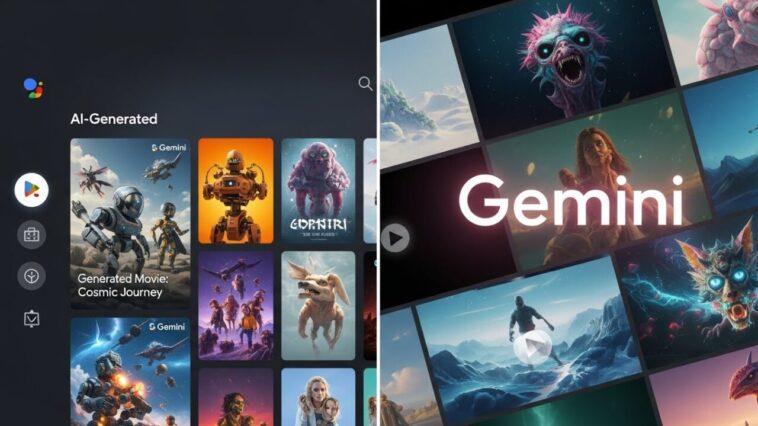
Google is rolling a major Gemini upgrade into Google TV, turning the AI assistant into a more visual, interactive companion for browsing and content discovery on the big screen. The update leans into AI-generated images and video previews rather than plain text answers.
Google is rolling out a major upgrade to Gemini on Google TV, transforming the AI assistant into a more visual, interactive, and practical companion for everyday viewing. Announced in early 2026, the update introduces AI-generated images and videos, richer on-screen responses, and expanded voice controls designed to reduce friction while watching TV.

The rollout will begin with select TCL-made Google TV models, with support for additional devices expected to follow.
AI Images and Videos Come to the Big Screen
One of the most eye-catching additions is the integration of Nano Banana and Veo, Google’s AI tools for generating images and videos directly on the TV.
With these tools, users can:
Generate AI-created visuals on demand
Create short videos using simple prompts
Enhance and stylize personal photos using AI
The update pushes Google TV beyond passive viewing and into a more creative, interactive experience—turning the television into a visual playground powered by Gemini.
Gemini Connects With Google Photos for Smarter Memories
Gemini is also gaining deeper integration with Google Photos. Users can now ask the assistant to create curated slideshows based on specific events, trips, or time periods.
For example:
Ask for “photos from our beach vacation.”
Request a visual recap of a birthday or holiday
Turn memories into AI-assembled visual stories
Gemini can extract relevant images and automatically assemble them into cohesive, story-driven presentations, adding a more emotional and personal layer to the TV experience.
Read More: Google Photos releases enhanced tools for video creation
More Visual, Context-Rich Answers
Google is making Gemini’s responses far more graphical and informative. Instead of simple text replies, users will now see:
Images and short video snippets
Sports scores and live updates
Contextual visuals tied to search results
This shift aims to make searches feel more engaging and easier to understand at a glance—especially from across the room.
“Deep Dives” Turn Searches Into On-Screen Explainers
Users can now ask Gemini for deep dives on topics, triggering expanded explanations that appear directly on the TV screen.
These deep dives combine:
Visual breakdowns
Supporting images or video
Structured explanations
The goal is to make learning, discovery, and curiosity-driven searches feel more immersive—without needing to pull out a phone or laptop.
Read More: Gemini Becomes Google’s Most Trending Search Term in 2025
Voice Controls That Actually Fix the Problem
Beyond visuals, Gemini is becoming more useful for day-to-day control. The update introduces smarter voice commands that adjust settings automatically.
Users can say things like:
“The screen is too dim.”
“I can’t hear the dialogue.”
Gemini will instantly adjust brightness, audio levels, or sound balance—without forcing users to dig through menus or settings screens.
A Smarter, More Helpful Google TV Experience
With this update, Google is positioning Gemini as more than just a voice assistant. By combining AI visuals, memory-based storytelling, contextual responses, and hands-free controls, Google TV is evolving into a more personalized and intuitive entertainment hub.
As Gemini continues to expand across devices, Google TV may become one of the clearest examples of how AI can enhance—not interrupt—the everyday viewing experience.
FAQ
What’s new in Gemini on Google TV?
The update adds AI-generated images and video elements to make Gemini responses more visual and interactive directly on the TV screen, moving beyond simple text answers.
How does this affect content creators and marketers?
It opens a new visual discovery surface, similar in spirit to how Google’s classroom AI rollout in India is shaping product decisions across very different platforms.
Related reading
- Pinterest Could Be OpenAI’s Next Big Purchase, Reports Say
- Google Stops Showing AI-Generated Overviews for Specific Medical Topics
Last updated: August 2026.