

 Hajra Naz
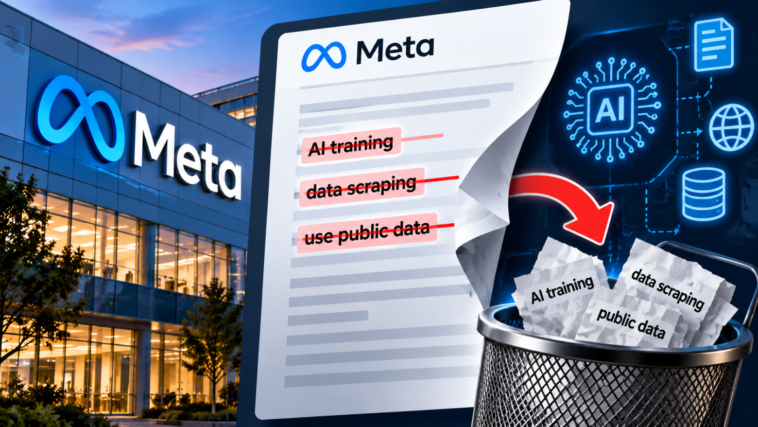
Meta recently revised its commercial terms of service, adding new clauses about business account data. The updated language stated that the company could use content from business domains, web pages, or URLs. Meta claimed this data would help develop, improve, research, train, and maintain its products and services.
Legal experts interviewed by Nieman Lab quickly flagged the language as remarkable and unusually broad. They warned that the clause could grant Meta blanket permission to scrape published web content. Any media organization or publisher running a Meta business account could have been affected. The harvested material could then be funneled directly into training Meta’s artificial intelligence models.

This controversy surfaced amid growing legal tension across the tech industry regarding intellectual property. Many AI developers face mounting pressure from news publishers and creators over unauthorized data harvesting. While Meta successfully defeated a high-profile copyright lawsuit last year, numerous other legal cases against major tech companies remain active in court.
Read More: Meta Launches Its First-Ever Frontier AI Model: Muse Wonder
In response to the backlash, a Meta spokesperson insisted that the updated terms did not represent a shift in web crawling practices. Company representatives argued that the language was merely intended to consolidate existing policies for corporate partners.
Despite those assurances, corporate leadership decided to walk back the update following widespread industry criticism. The Verge confirmed that Meta completely removed the controversial provision from its agreement.
The company released an official statement to address the growing public concern. Meta stated that it heard the feedback and wanted to clarify its position. It explained that the consolidated crawling terms applied strictly to advertising and business products. Meta added explicit clarifications to the text and affirmed that its overall web crawling practices remain unchanged.