Hajra Naz
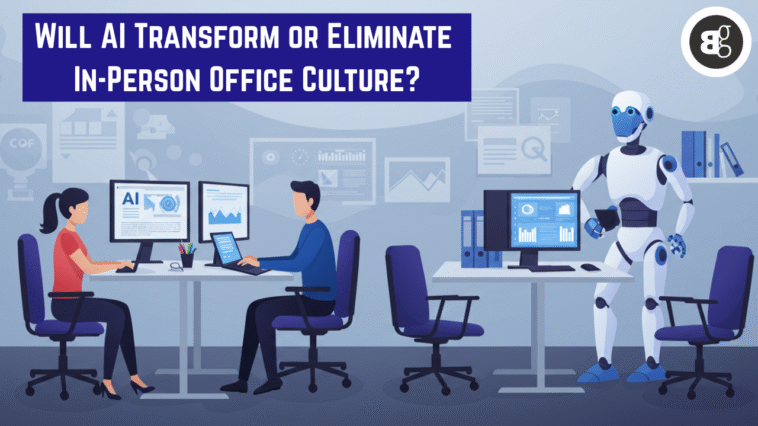
AI is more likely to transform in person office culture than eliminate it. Routine coordination work moves to software, so the remaining reason to gather in a room becomes judgement, negotiation and trust building. Expect fewer days in the office, but denser, more deliberate ones.
Artificial intelligence (AI) is transforming workplaces at lightning speed. From automating routine tasks to reshaping how teams collaborate, AI is redefining what “work” looks like.

The big question: Will AI make physical offices obsolete?
A survey of 2,500 employees and executives by GoTo reveals how workers and leaders see this future. According to the findings:
51% of employees say AI will make physical offices unnecessary in the future.
62% would prefer AI-powered remote work over going into the office.
71% believe AI gives them more flexibility and work-life balance.
66% say AI helps them stay productive while working from anywhere.
65% feel AI tools help them serve customers better when remote.
9 out of 10 executives agree AI has already improved outcomes for remote employees.
These numbers reflect a growing comfort with AI as a workplace partner — but not everyone is convinced the office is dead.
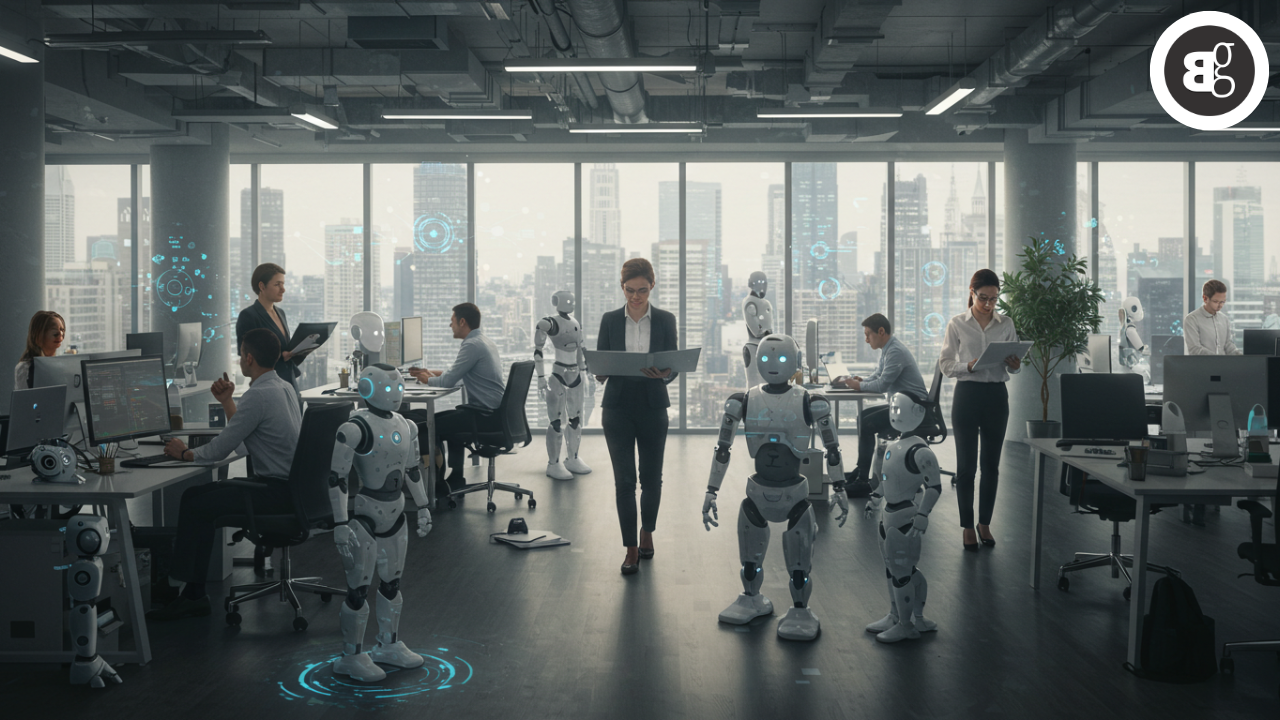
The Rise of the AI “Boss”
For many workers, reporting to an algorithm is already a reality. Uber drivers, delivery workers, and gig economy freelancers often have schedules, tasks, and pay determined by AI systems.
Office workers, too, are relying on AI-powered collaboration tools, meeting platforms, virtual assistants, and IT support systems. AI is now embedded in everyday workflows, from drafting reports to scheduling meetings.
This shift has fueled speculation about a future where AI takes on the role of “boss,” managing workers, tasks, and even performance reviews.
Read More: Are Chatbots Making Us Mentally Lazy and Stupid?
Experts Urge Caution
Not everyone sees this as a takeover.
Dr. Tiffany Perkins-Munn, head of marketing data and analytics at J.P. Morgan Chase, argues AI will act more as a co-pilot than a boss:
“AI can handle routine tasks, but its real value is in freeing humans to focus on creativity, empathy, and strategic decisions.”
Yashin Manraj, CEO of Pvotal Technologies, warns of risks in fully remote ecosystems:
“Fraud, fake CVs, and workers abandoning jobs have made trust difficult. Hybrid models may be the safer path.”
Dan Hickey, director at Halo Recruiting, highlights the need for transparency:
“Companies don’t mind if workers use AI — but they want to see how the work was done. A ‘show-your-work’ approach will become the norm.”
AI and the Hybrid Future
The narrative isn’t just about AI replacing offices. It’s also about AI enabling flexible, hybrid models. Instead of forcing companies to choose between remote or in-office work, AI allows a tailored approach.
Workers can design routines that match their personal productivity styles. Employers, meanwhile, can cut costs, boost efficiency, and retain talent through flexibility.
Read More: Report: Companies with flexible remote work policies grow revenue faster
Comparison: Remote, Office, and AI-Supported Work
| Model | Pros | Cons |
|---|---|---|
| Traditional Office | Strong collaboration, shared culture | Commutes, rigid schedules, and higher costs |
| Fully Remote | Flexibility, cost savings, wider talent pool | Risk of fraud, weaker team bonding, and oversight challenges |
| AI-Supported Hybrid | Balance of flexibility + productivity, personalized workflows, better retention | Requires transparency, tech adoption, and clear boundaries |
Human Connection Still Matters
Despite optimism, many still value the office for human connection and shared culture. AI may streamline tasks, but it cannot replace face-to-face collaboration, mentorship, or workplace camaraderie.
As Perkins-Munn put it:
“The likely future is not taking orders from a machine, but using that machine to ask better questions and optimize workflows.”
FAQs
1. Will AI completely replace the office?
Unlikely. AI may reduce the need for daily commutes, but offices will remain for collaboration, networking, and culture.
2. Can AI really act as a boss?
AI already manages gig workers. In offices, AI is more likely to serve as a co-pilot, handling routine tasks and supporting managers.
3. What are the risks of fully remote, AI-driven work?
Fraud, fake credentials, and a lack of human oversight are major risks. That’s why many predict hybrid models will dominate.
4. How do employees feel about AI in the workplace?
Surveys show 71% say it improves flexibility, while 9 in 10 executives report better employee outcomes when AI tools are used.
5. What’s the most likely future of work?
A hybrid model where AI supports both in-person and remote work. Workers gain flexibility, while companies maintain oversight and culture.
FAQ
Will AI make offices obsolete?
Unlikely in the near term. AI removes the administrative glue that once justified constant presence, but it does not replace mentoring, client trust or the informal learning juniors get from being nearby.
Which roles are most affected?
Coordination heavy roles such as scheduling, reporting and first line support see the biggest change, a pattern also visible in the impact of AI on jobs in the UAE.
What should employees do now?
Build skills that AI complements rather than replaces: client communication, systems thinking and domain judgement. Remote friendly policy shifts such as ADGM allowing firms to hire remote workers mean the talent pool is now global, so differentiation matters more than location.
Related reading
Last updated: August 2026.