Hajra Naz
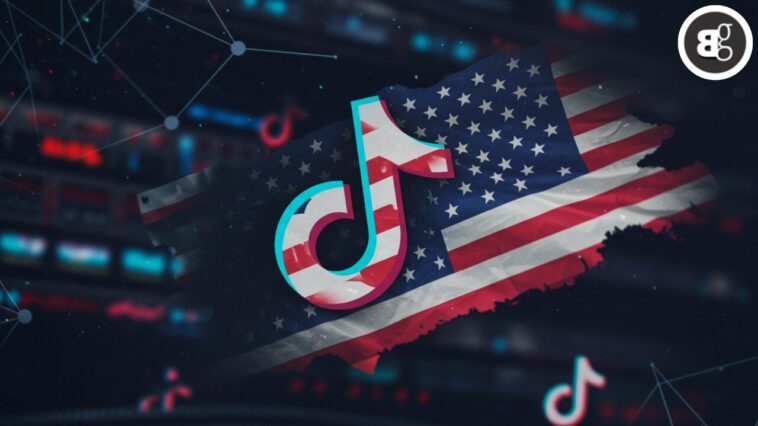
The U.S. government is pushing forward with plans to take over TikTok in America. If the deal goes through, it could give Washington direct influence over how the app works — and even what content people see. This raises a big question: how much power should governments have over global social media platforms?
TikTok’s Growing Role in Politics
At first, TikTok was known for viral dances and fun trends. But today, it has become a major political platform, especially for younger users.

Data from Pew Research shows that 20% of U.S. adults now regularly get news from TikTok. Back in 2020, that number was just 3%. Among Gen Z and Millennials, TikTok’s role is even bigger, shaping conversations on politics, elections, and world events.
That makes the U.S. government’s push for control more significant. If America oversees TikTok’s algorithm, it could, in theory, influence what millions of young people see and think.
Read More: TikTok Deal Gives US Control Over Algorithm and Oversight Board, White House Confirms
Algorithmic Oversight: What the U.S. Deal Means
Under the proposed deal, TikTok’s U.S. ownership group would be handpicked by the government. They would have what’s being called “algorithmic oversight.”
In simple terms, that means they could retrain TikTok’s algorithm using U.S. user data. While the algorithm would still be leased from ByteDance (TikTok’s Chinese parent company), the U.S. team would control how it works locally.
That raises concerns. If Chinese regulators influence the Chinese version of TikTok (Douyin), wouldn’t the U.S. government also be tempted to shape what trends in America?
Trump’s Comments Add Fuel
Former President Donald Trump has made the debate even more heated. He recently said he would make TikTok “100% MAGA” if he could.
Trump has long argued that TikTok helped him connect with younger voters, claiming it played a role in his electoral success. At the same time, he has criticized other platforms like Twitter (now X) and Facebook for censoring his speech.
So the idea that Trump or any U.S. leader could use TikTok to sway opinions is not far-fetched. While Trump has promised all sides would be treated fairly under U.S. management, doubts remain.
China’s Silence and the Taiwan Question
Interestingly, China has not commented much on Trump’s latest TikTok proposal. Some analysts believe the Chinese Communist Party (CCP) may be holding out for concessions, possibly even pushing the U.S. to soften its stance on Taiwan.
This shows how a simple social media app has become part of global geopolitics. TikTok, once just a platform for memes and dance challenges, is now at the center of U.S.-China tensions.
Government Takedown Requests on the Rise
TikTok is also facing an increase in government removal requests from around the world. Some are about content limited to a specific country, while others involve broader suppression efforts.
If TikTok becomes U.S.-owned, how will it handle these requests? And if the White House influences the platform, will foreign governments trust the process to be fair?
Read More: Trump’s TikTok Proposal Echoes the Deal Biden’s White House Previously Rejected
China’s Influence Operations: TikTok vs. YouTube
Another interesting detail comes from TikTok’s own transparency reports. In 2025, TikTok says it detected just over 2,000 Chinese accounts involved in covert influence operations.
Compare that with Google’s YouTube: in just one quarter, Google shut down 7,700+ channels linked to Chinese state actors.
That raises questions: Is China really focusing more on YouTube, or is TikTok just not catching as many covert operations? If TikTok is so tightly linked to China, it seems logical that it would be a bigger target for influence campaigns.
What This Means for the Future of TikTok
TikTok is no longer just entertainment. It’s an information hub, political battleground, and geopolitical flashpoint.
If the U.S. takeover goes through, TikTok could enter a new era — one where its algorithm might be influenced not just by user preferences, but by political agendas.
Trump and his allies say they won’t manipulate the app unfairly. But history shows the temptation to influence millions of young voters through a platform like TikTok could be too strong.
Social Media and Power in 2025
The story of TikTok highlights the rising stakes of social media regulation. What started as a dance app is now shaping elections, fueling political debates, and even influencing U.S.-China relations.
With the possibility of a MAGA TikTok, government-controlled algorithms, and rising content moderation battles, the app has become more than a social platform; it’s a tool of political influence.
And as we head into 2025, the real question is: can TikTok remain a space for authentic expression, or will it become another pawn in the global power game?
Read More: Executive Order Signed by Trump Supports TikTok’s Move to US Ownership
FAQs
1. Is TikTok really getting banned in the U.S. in 2025?
Not exactly. TikTok is not fully banned, but the U.S. government is pushing for a TikTok takeover deal. If approved, the app would be run by a U.S.-based ownership group with government oversight.
2. What does “algorithmic oversight” mean for TikTok?
Algorithmic oversight means the U.S. group managing TikTok could control and retrain the algorithm. This might affect what trends, what content goes viral, and what news or politics users see.
3. Why is Trump talking about making TikTok “100% MAGA”?
Donald Trump has said TikTok helped him reach young voters. His “100% MAGA” comment has raised fears that a MAGA TikTok could be used for political influence if the U.S. controls the platform.
4. How is TikTok connected to U.S.-China tensions?
TikTok’s parent company is ByteDance, based in China. The U.S. takeover plan is part of bigger U.S.-China tech tensions. Some analysts believe China may demand concessions, like a softer U.S. policy on Taiwan, before agreeing to the deal.
5. Could a U.S.-owned TikTok censor or control content?
Yes, it’s possible. If the U.S. government influences TikTok, it could shape how political content and news are spread. That’s why many worry about free expression and bias on the platform.