

 Hajra Naz
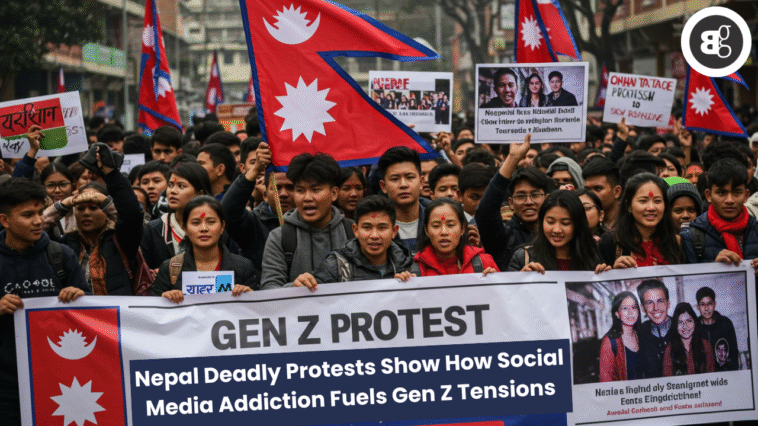
KATHMANDU, Nepal — Nepal has entered one of its most turbulent political moments in years after a sweeping social media ban sparked violent youth-led protests, leaving at least 19 people dead and hundreds injured, and culminating in the dramatic resignation of Prime Minister Khadga Prasad Oli.
The ban, which blocked access to 26 major platforms, including Facebook, Instagram, YouTube, and X,, was originally imposed after an August 25 government directive requiring foreign social media companies to register their operations locally and appoint a Nepal-based contact person within seven days. When most major platforms failed to comply, the government swiftly cut access.

From Ban to Backlash
The move instantly backfired. For young Nepalis, social media isn’t just entertainment—it’s a digital lifeline. Platforms serve as tools for education, activism, political awareness, and social connection, particularly for students and unemployed youth struggling to build futures in a country where opportunities are scarce.
By Monday, Kathmandu’s streets were filled with thousands of demonstrators, many still in their school uniforms. Protesters waved national flags and shouted slogans like
“Stop corruption, not social media.”
As crowds swelled, security forces opened fire, leaving 19 people dead and more than 100 injured, according to local reports.
The ban was lifted soon after, but outrage did not subside. What began as anger over digital censorship quickly evolved into broader condemnation of corruption, elite privilege, and the glaring inequality between leaders’ children—the so-called “Nepo Kids”—and average Nepali youth, many of whom leave the country daily in search of work.
Prime Minister Resigns Amid Chaos
The protests soon spiraled out of control. Demonstrators set fire to the private residences of top leaders, including Prime Minister Oli, as well as the homes of the president, home minister, and senior figures in the ruling Nepali Congress Party. The parliament building itself was torched.
Kathmandu’s airport shut down as army helicopters evacuated ministers to safer locations. A curfew was imposed, schools closed, and yet protests raged on.
Under mounting pressure and facing accusations of corruption, Oli announced his resignation on Tuesday.
“I cannot lead a country where youths are being killed on the streets,” he said, promising an inquiry into the police shootings and compensation for victims’ families. Still, protesters outside parliament demanded more, chanting, “Punish the murderers in government. Stop killing children.”
International Condemnation
The violent crackdown drew swift criticism from international organizations. The United Nations and Amnesty International condemned the killings and urged Nepal to uphold the right to peaceful assembly and freedom of expression.
International watchdogs, including the United Nations and Amnesty International, quickly condemned the ban and the violent crackdown on protests.
“We call on the authorities to respect and ensure the rights of peaceful assembly and freedom of expression,” said the Office of the UN High Commissioner for Human Rights.
Earlier this year, Nepal’s government had already come under fire for drafting a controversial social media bill proposing prison terms and heavy fines for posts deemed “against national sovereignty or interest.” Rights groups warned it would severely undermine press freedom and digital rights.
Gen Z’s Digital Lifeline
The protests revealed just how deeply intertwined social media is with Gen Z’s daily lives. For many young people in Nepal—and globally—platforms aren’t just for entertainment. They are essential tools for:
Education and learning through online communities.
Political awareness and activism—mobilizing protests, like those seen in Kathmandu.
Social connections are especially important for students living away from home.
Identity and self-expression, from sharing art to discussing cultural issues.
Cutting off access doesn’t just silence memes or selfies—it severs lifelines.
The Dark Side: Social Media Addiction in Gen Z
While digital platforms empower young voices, they also come with a hidden cost: addiction.
Studies show that Gen Z spends an average of 5–7 hours daily on social platforms, often at the expense of real-world relationships and responsibilities. The addictive design of apps—endless scrolling, notifications, and algorithm-driven feeds—keeps users hooked.
Some key effects of excessive use include:
Mental health struggles: higher rates of anxiety, depression, and loneliness.
Sleep deprivation: Late-night scrolling disrupts rest, impacting focus and well-being.
Academic decline: Constant distraction from studies and reduced productivity.
Low self-esteem: Unrealistic comparisons fueled by filtered and curated posts.
Reduced attention span: Overexposure to quick content makes it harder to focus on long-form tasks.
The tragic irony? While Gen Z protested fiercely for their digital rights, many are simultaneously grappling with the very harms these platforms create.
Read More: 46% of Gen Z Is Limiting Screen Time: Here’s How Brands Reach Them Online and Offline
Preventing Social Media Addiction in Young Generations
Governments may attempt bans, but history shows they rarely work. Instead, balance and education are the real solutions. Here’s how families, schools, and societies can help:
Digital Literacy Education
Teach students to recognize manipulative algorithms, spot misinformation, and question online content.
Screen Time Management
Encourage healthy limits through phone settings or dedicated apps that track and reduce usage.
Promoting Offline Activities
Sports, volunteering, and hobbies give youth healthier outlets for stress and socializing.
Mindful Use
Encourage intentional engagement—using social platforms to learn or connect, not mindlessly scroll.
Shared Responsibility
Platforms must design healthier digital ecosystems, and governments should regulate without stifling free speech.
Conclusion
Nepal’s social media crisis is more than a national political event—it’s a warning about the double-edged nature of digital life. Gen Z has proven it will rise to defend its digital freedoms. But the same platforms they defended so passionately can also entrap, addict, and harm.
Prime Minister Oli’s resignation may calm immediate tensions, but the deeper issues—youth unemployment, corruption, inequality, and digital dependency—remain unsolved.
The challenge for Nepal, and for societies worldwide, is to create a balance where social media remains a force for empowerment without becoming a trap of addiction.
FAQs
1. Why did Nepal initially ban social media?
The ban followed an order for foreign platforms to register locally. When most failed to comply, access was blocked.
2. Why did Gen Z lead the protests?
Social media is central to their lives for education, activism, and social connection. The ban felt like cutting off their voice.
3. How does social media addiction affect Gen Z?
It contributes to anxiety, depression, poor sleep, academic struggles, and reduced self-esteem.
4. Can government bans reduce addiction?
Bans typically spark resistance rather than solving the problem. Balanced use and education are more effective.
5. What can parents and educators do to help?
Encourage digital literacy, set healthy boundaries, promote offline activities, and model mindful use of technology.
7. Why did Prime Minister Oli resign?
He stepped down after 19 protesters were killed during demonstrations, amid mounting anger over corruption and government mismanagement.