Hajra Naz
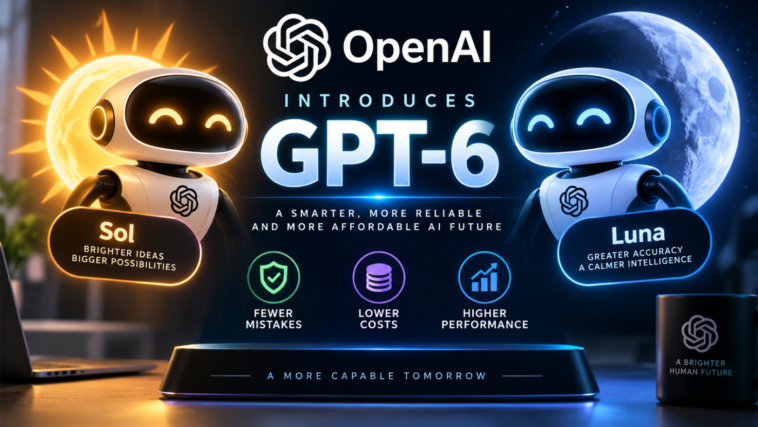
Earlier this month, OpenAI launched GPT-6 Astra. The company described it as its most powerful and capable model yet. OpenAI also called it the “world’s best model” for various activities. That includes computer work and coding tasks. Now, the lab is expanding this GPT-6 generation further. It’s releasing updated versions of its smaller Sol and Luna models.
“GPT-6 Astra introduced a new generation of intelligence; these models extend its benefits by making that intelligence more efficient and accessible,” the company writes.

The original Sol and Luna models launched earlier this year. They represent different tiers within OpenAI’s broader model hierarchy. Sol is designed for complex tasks, like coding work. Meanwhile, OpenAI says Luna suits different needs. It’s built for clerical work, like high-volume tasks with a clear goal. That includes summarizing documents, extracting information, or answering quick questions.
Read More: OpenAI Is Testing Sponsored Agents in ChatGPT, Turning an Ad Click Into a Conversation
OpenAI is emphasizing major improvements in efficiency and affordability with this release. Most notably, the company introduced a substantial price drop for API access. The new 6 series models will cost half as much as the previous 5.6 series of Sol and Luna. OpenAI attributes this price drop to improvements in caching and inference technology.
OpenAI also claims its newest models produce more factually accurate answers. The company notes a lower error rate specifically for coding tasks too.
“On our internal factuality evaluation, which is based on de-identified real-world conversations where users flagged mistakes by our models, GPT-6 Sol makes about half as many mistakes as its predecessor, reaching Astra-level reliability at much lower cost,” the announcement reads.
As is typical with OpenAI’s model releases, the company draws comparisons to its main competitor. That’s Anthropic. OpenAI repeatedly claims that GPT-6 Sol and Luna handle tasks substantially better. Specifically, it compares these models against Anthropic’s top offerings, like Fable and Opus.
Read More: Anthropic’s New Fable Model Comes With Lower Costs and Fewer Limits
Notably, Anthropic released a new version of Opus 5.5 just 90 minutes before OpenAI’s announcement. This timing reflects the intense competition between these two companies.
The new versions of Sol and Luna are now available across several platforms. That includes ChatGPT Work and Codex, for most paid accounts. They’re also available through the ChatGPT API. Luna specifically will be available in the desktop app too. This extends to Free and Go users as well. OpenAI expects to roll out these models to ChatGPT, both the app and website, gradually throughout the day.