mebeing
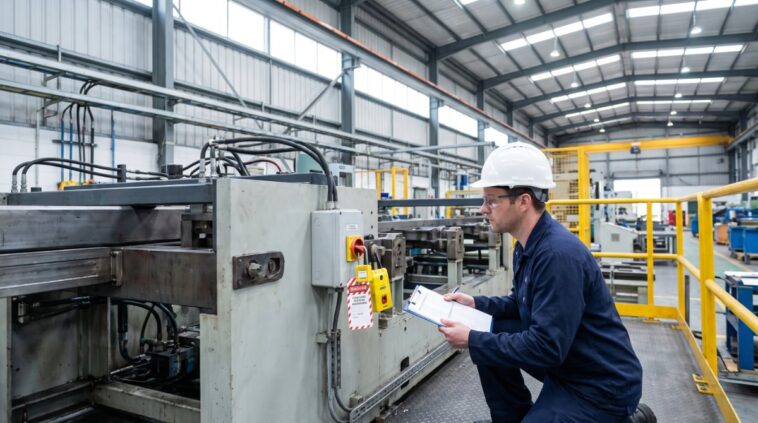
Routine maintenance helps keep industrial equipment in safe working condition by catching wear, damage, and malfunction before they lead to a breakdown or injury. When inspections happen on a planned schedule, you have a better chance of noticing a cracked belt, a leaking hydraulic line, a loose electrical connection, or an unusual vibration while the problem is still manageable. Addressing these warning signs early helps reduce exposure to sudden equipment failure, flying debris, fluid spills, and unplanned shutdowns.
A useful maintenance routine is built around the equipment, its operating conditions, and manufacturer guidance. Regular checks might include cleaning, lubrication, tightening, testing safety devices, and replacing worn components. For damaged metal parts or equipment frames, timely certified welding repair may help restore structural integrity, when performed by qualified personnel using appropriate procedures. Keep inspection records that note the date, findings, repairs, and follow-up needs. Those records help maintenance teams track recurring problems and plan work before a small defect turns into a hazard.

Reducing Exposure During Repairs
Maintenance itself creates risks, especially when machinery could start unexpectedly or release stored energy. Before servicing equipment, follow site-specific hazardous-energy control procedures. Depending on the machine, this may involve isolating electrical, hydraulic, pneumatic, thermal, or mechanical energy, applying locks and tags, and confirming that the equipment is in a safe state. OSHA explains that its lockout/tagout standard addresses servicing and maintenance where unexpected startup or released energy could injure workers.
Make sure workers understand their roles, the hazards involved, and the steps required before work begins. A clear handoff between operators and maintenance staff matters: everyone in the affected area should know that equipment is out of service and who is authorized to restore it. Never treat a control switch or emergency stop as a substitute for an energy-isolating device. When a task requires removing a guard or reaching into a danger zone, pause and apply the relevant safety procedures rather than relying on a quick adjustment.
Making Inspections Practical
A checklist makes routine work more consistent. Start with the equipment’s critical components, then tailor checks to the risks and operating environment. Look for loose guards, damaged cables, unusual heat, worn hoses, leaks, corrosion, clogged filters, and changes in sound or vibration. Test alarms, interlocks, emergency stops, and other protective features according to the manufacturer’s instructions and workplace procedures. If you find a defect that could affect safe operation, mark the equipment clearly, report it promptly, and follow the site’s process for removing it from service.
Keep the work area clean and organized while maintenance is underway. Store tools and replacement parts so they do not obstruct walkways, and clean spills promptly using the correct method. Select and use protective equipment based on the hazards of the task, while treating it as one part of a broader safety plan. NIOSH’s maintenance toolbox talk offers material for discussing equipment hazards and reinforcing safe work practices with crews.
Building A Stronger Safety Culture
A reliable maintenance program depends on communication as much as tools and schedules. Encourage operators to report unusual sounds, odors, leaks, or performance changes as soon as they notice them. Give maintenance staff enough time to complete work safely, and review recurring defects to identify underlying causes, such as excessive loads, poor ventilation, or unsuitable operating conditions. Training and refresher discussions help keep procedures familiar, particularly when equipment or work methods change.
Routine maintenance is not simply a way to keep production moving. It supports safer decisions by revealing hazards early, reducing avoidable failures, and ensuring repairs take place under controlled conditions. When you build inspections, documentation, training, and safe energy control into everyday operations, equipment is more likely to remain dependable, and workers are better prepared to recognize and address risks.