Hajra Naz

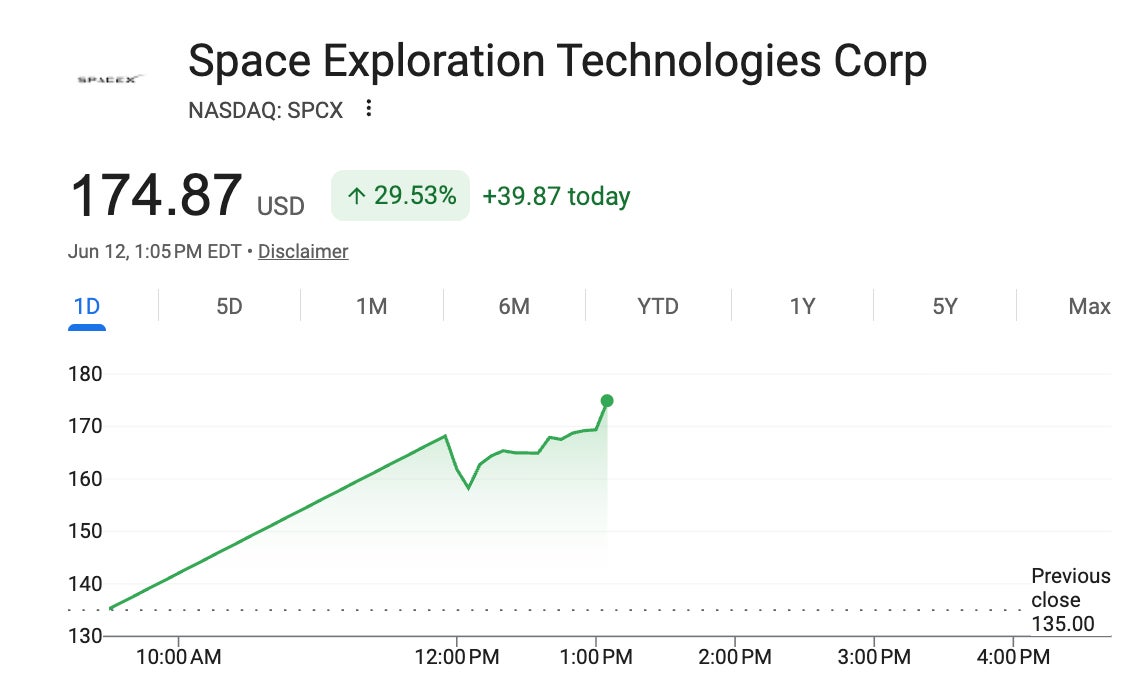
SpaceX has reached a milestone few companies in history have achieved. Following its highly anticipated initial public offering (IPO), the aerospace giant founded by Elon Musk has created enormous wealth for thousands of current and former employees. The event has also pushed Musk’s net worth into territory that once seemed impossible, making him the world’s first trillionaire on paper.
While headlines focus on Musk’s fortune, another story is unfolding behind the scenes. Engineers, welders, technicians, planners, support staff, and many other workers who helped build SpaceX are now seeing years of stock ownership turn into life-changing wealth.

The Rise of SpaceX
SpaceX, officially known as Space Exploration Technologies Corp., was founded by Elon Musk in 2002 with a goal that many considered unrealistic at the time: reducing the cost of space travel and making human life multi-planetary.
The company began with a small team operating from a warehouse in California. During its early years, SpaceX faced repeated rocket failures, financial struggles, and widespread scepticism from the aerospace industry.
The company’s first breakthrough came in 2008 when Falcon 1 became the first privately developed liquid-fueled rocket to successfully reach orbit. Later, NASA awarded SpaceX contracts that helped stabilize the company financially and establish it as a serious player in the space industry.
Read More: SpaceX Ignites New Debate Over Wall Street’s Top Tech Stocks: Mag 7 or MANGOS?
Over the following two decades, SpaceX expanded rapidly through projects including:
- Falcon 9 reusable rockets
- Falcon Heavy launch vehicles
- Dragon spacecraft
- Starlink satellite internet network
- Starship deep-space transportation system
These achievements transformed SpaceX from a startup into one of the world’s most valuable private companies.
Understanding the Scale of a Trillion-Dollar Fortune
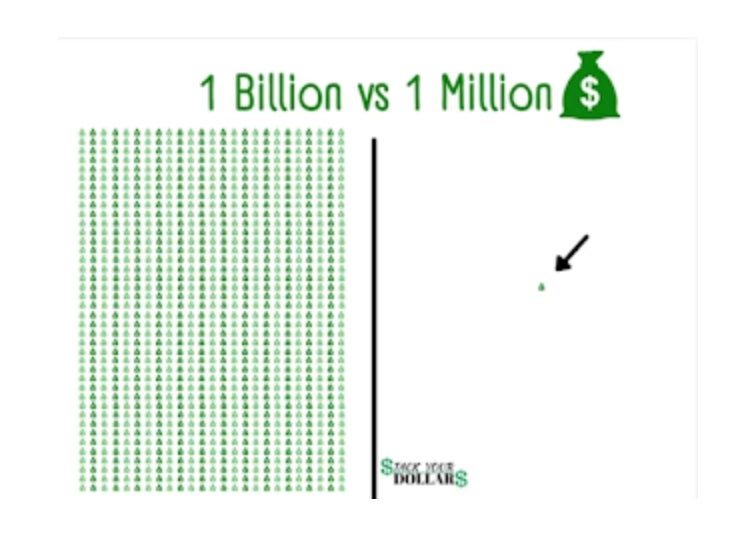
The discussion surrounding Elon Musk’s wealth has reignited conversations about the sheer size of a trillion dollars.
Most people struggle to visualize the difference between a million, a billion, and a trillion because the numbers grow exponentially.
One common comparison uses time:
- One million seconds equals about 12 days
- One billion seconds equals about 31 years
- One trillion seconds equals more than 31,000 years
This comparison highlights how dramatically larger a trillion is than a billion. The difference is not simply a thousand times greater in practical terms. It represents a level of wealth that has rarely been seen in modern history.
What Made the SpaceX IPO So Important?
For years, SpaceX remained a privately held company. While its valuation continued to rise, employees who owned company stock had limited opportunities to convert those shares into cash.
Private company shares often come with restrictions. Employees may receive stock grants or stock options as part of their compensation package, but they usually cannot freely sell those shares on the open market.
An IPO changes that situation.
When a company becomes publicly traded, its shares begin trading on a stock exchange. Although employees must typically wait through a lock-up period before selling, the IPO creates a path for turning paper wealth into real financial gains.
For many SpaceX workers, that moment has finally arrived.
How Employee Equity Became a Massive Wealth Generator
From its earliest days, SpaceX used stock compensation to attract talent. Employees accepted equity alongside salaries with the hope that the company would grow over time.
At the start, many workers viewed the stock as a bonus rather than a future fortune.
Few could have predicted how valuable those shares would eventually become.
As SpaceX’s valuation climbed year after year, the value of employee holdings increased dramatically. The IPO transformed those gains from theoretical wealth into assets that could eventually be sold.
Millionaires Across Every Department
One of the most remarkable aspects of the SpaceX IPO is that the financial benefits extend far beyond executives and senior engineers.
Workers across many departments received stock during their time at the company.
This includes:
- Aerospace engineers
- Welders
- Manufacturing specialists
- Process planners
- Software developers
- Technicians
- Administrative staff
- Support personnel
The result is a broad group of employees sharing in the company’s success.
Employees React to the Historic Moment
Workers have described the IPO as a life-changing event.
One employee working as a process planner said his focus remains on staying healthy and continuing to work, but he described the IPO as an exciting achievement for the company and its workforce.
Another employee noted that he had already accumulated significant wealth through company shares and looked forward to eventually selling stock after lock-up restrictions expire.
These reactions reflect a common theme among many employees: gratitude for having participated in SpaceX’s growth story.
Read More: The world’s biggest tech companies are investing heavily in computers that run without human control
The Story of Juan Hernandez
Juan Hernandez joined SpaceX in 2015 as a welder.
At the time, he received approximately $10,000 worth of company stock. Like many employees, he did not fully understand how valuable those shares might become.
After spending roughly a decade with SpaceX, Hernandez moved to Blue Origin but retained his SpaceX shares.
His holdings grew to around 6,500 shares. Based on the IPO pricing, those shares were valued at nearly $880,000.
Hernandez has said that employee ownership encourages stronger performance because workers feel personally invested in the company’s success.
Despite the financial windfall, he plans to continue working and building his career.
Former Engineer Sees Shares Worth Tens of Millions
Another example is J. André Lavoie, a former SpaceX engineer.
After leaving the company and relocating to Italy, Lavoie retained his stock holdings. Following the IPO, his shares were reportedly valued at more than $28 million.
The unexpected increase in wealth has influenced his future plans.
Lavoie has discussed using part of the funds to renovate a hotel he purchased and support environmental improvements within his local community.
His story illustrates how long-term equity ownership can create opportunities that extend far beyond personal financial security.
Younger Employees Also Benefited
The IPO’s impact is not limited to early employees.
Maryellen Musselman joined SpaceX in 2022 and worked on maritime operations supporting rocket recovery missions.
While employed at the company, she used a portion of her earnings to purchase additional shares.
Now, she faces decisions about when to sell those holdings and how to use the proceeds.
Among her goals is launching a ship repair business in Virginia, demonstrating how employee ownership can help fund future entrepreneurial ventures.
The Vision Behind Employee Ownership
According to Tom Mueller, SpaceX’s first employee, Elon Musk consistently emphasized the importance of equity from the company’s earliest days.
Mueller joined the company in 2002 and played a major role in developing propulsion systems, including the Merlin and Raptor engines.
For years, employees heard the same message: salaries provide immediate compensation, but ownership creates long-term wealth.
Many employees viewed that promise as something that might happen someday.
With the IPO complete, that day has arrived.
Read More: Elon Musk’s SpaceX officially acquires Elon Musk’s xAI, revealing plans for data centers in space
Why the SpaceX IPO Will Be Remembered
The SpaceX IPO represents more than another public offering.
It demonstrates how employee equity can transform the financial futures of workers across an organization. Thousands of people who took a chance on a young aerospace startup are now sharing in the rewards of its success.
From engineers and welders to planners and support staff, many employees who helped build SpaceX are seeing years of dedication rewarded in a way few companies can match.
While Elon Musk’s trillion-dollar fortune captures headlines, the broader story is about thousands of workers whose stock holdings turned into substantial wealth after years of believing in a company that set out to change the future of space exploration.