Hassan Khan
So, you want to become a developer? That’s awesome and yes, it’s 100% possible, even if you’re starting from scratch. The best part? You don’t need expensive bootcamps or software to begin your journey. In fact, there are 8 open source tools to become the developer you’ve always wanted to be and they’re completely free.
As someone who started learning coding from a second hand laptop and a slow internet connection, I know how frustrating the learning curve can feel. But open source changed everything for me and it can for you too. These tools not only help you build real projects but also connect you with global developer communities that support you like family.

I’ll walk you through the 8 most powerful open source tools that every aspiring developer should use in 2025. Whether you’re into web development, mobile apps, data science, or just learning the ropes these tools will fuel your growth and make you job-ready.
1. Visual Studio Code (VS Code)
VS Code is every developer’s best friend. It’s fast, lightweight, and packed with extensions that make your life easier. From syntax highlighting to Git integration, this tool covers everything you need to write clean code. The best part? It’s free and backed by Microsoft.
When I first started, I was using Notepad to write HTML and it was a pain. Switching to VS Code was a game changer. With auto-complete, error hints, and tons of customization options, I finally felt like a real developer.
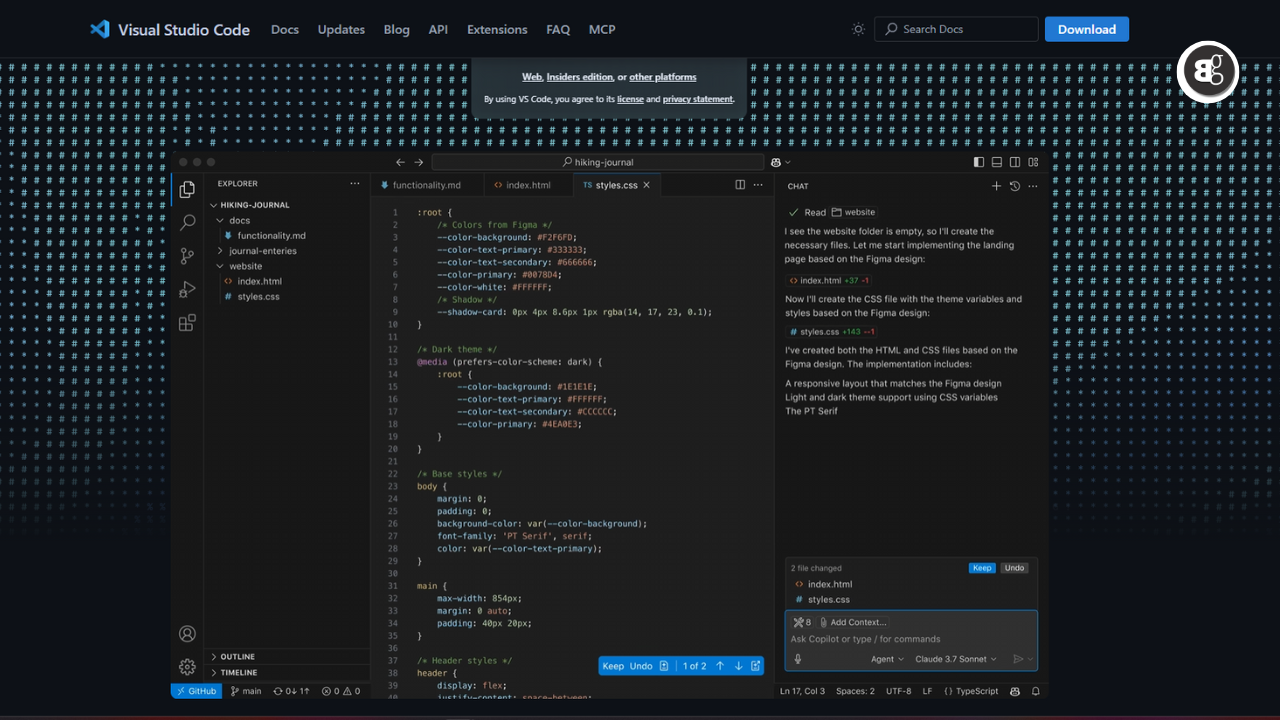
Whether you’re building a website, an app, or just experimenting with code, VS Code gives you a smooth and professional experience without overwhelming you.
Advice: Try the Prettier extension to auto format your code. It saves hours of cleanup!
2. GitHub
Think of GitHub as your developer portfolio and Git as your project time machine. Every serious coder needs to understand version control and Git + GitHub is the dream team.
When I started collaborating with others, I realized how important it was to track changes and avoid overwriting code. Git helped me stay organized, and GitHub allowed me to showcase my projects and even land freelance gigs.
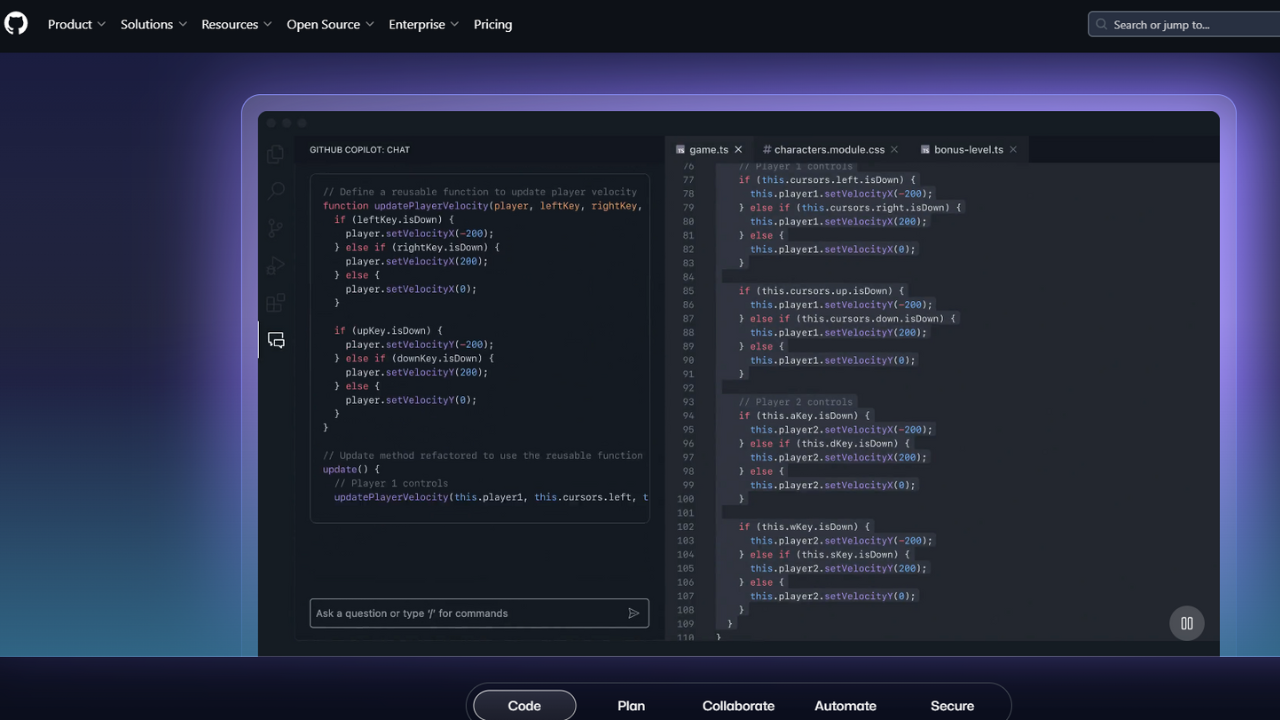
It’s more than just code hosting it’s your ticket to join the world’s largest community of developers. You can fork projects, contribute to open source, and build a strong network.
See More: 15 Free AI Tools To Boost Productivity and learning in 2025
Start small: Push your personal projects to GitHub and gradually learn how to work in teams.
3. Docker
Heard people say, “It works on my machine”? Docker fixes that problem.
Docker lets you build, ship, and run applications anywhere using containers. It might sound complicated, but trust me, it’s worth learning. As a beginner, I used Docker to run my first Node.js app without crashing my laptop.
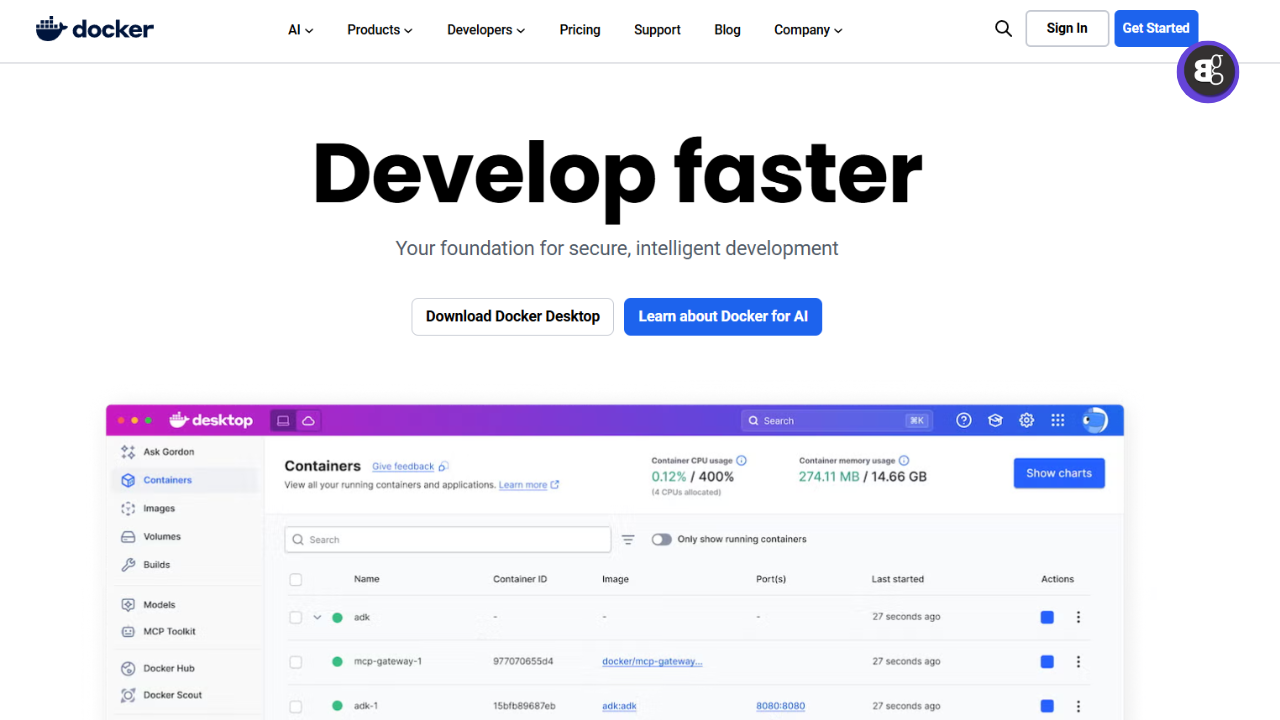
If you’re serious about deploying apps and working in a real world environment, Docker will give you a solid foundation. Plus, it’s heavily used in companies so it boosts your job prospects too.
Survey: Try running a simple web app in a Docker container to get started.
4. Node.js
If you love JavaScript, you’ll love Node.js. It turns JavaScript into a backend language meaning you can build complete web applications with just one language.
I used Node.js to build my first weather app that pulled live data from an API. It felt magical and it helped me understand how servers, APIs, and databases work together.
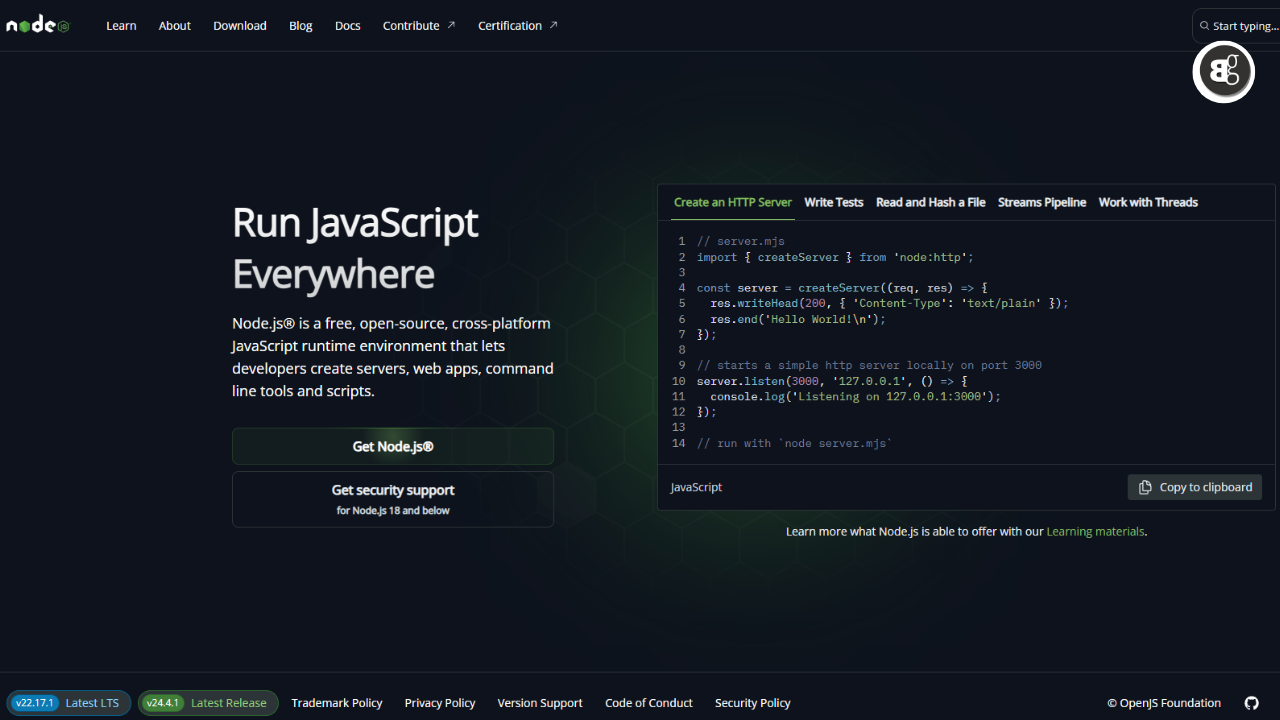
Node.js has a massive ecosystem, with tools like Express.js for servers, and npm for packages. It’s open source, beginner friendly, and super powerful.
Fun project idea: Build a simple to do list API using Node.js and test it with Postman.
5. PostgreSQL
Every developer needs to know how to handle data and PostgreSQL is one of the best open source databases out there. It’s powerful, secure, and used by big companies like Instagram.
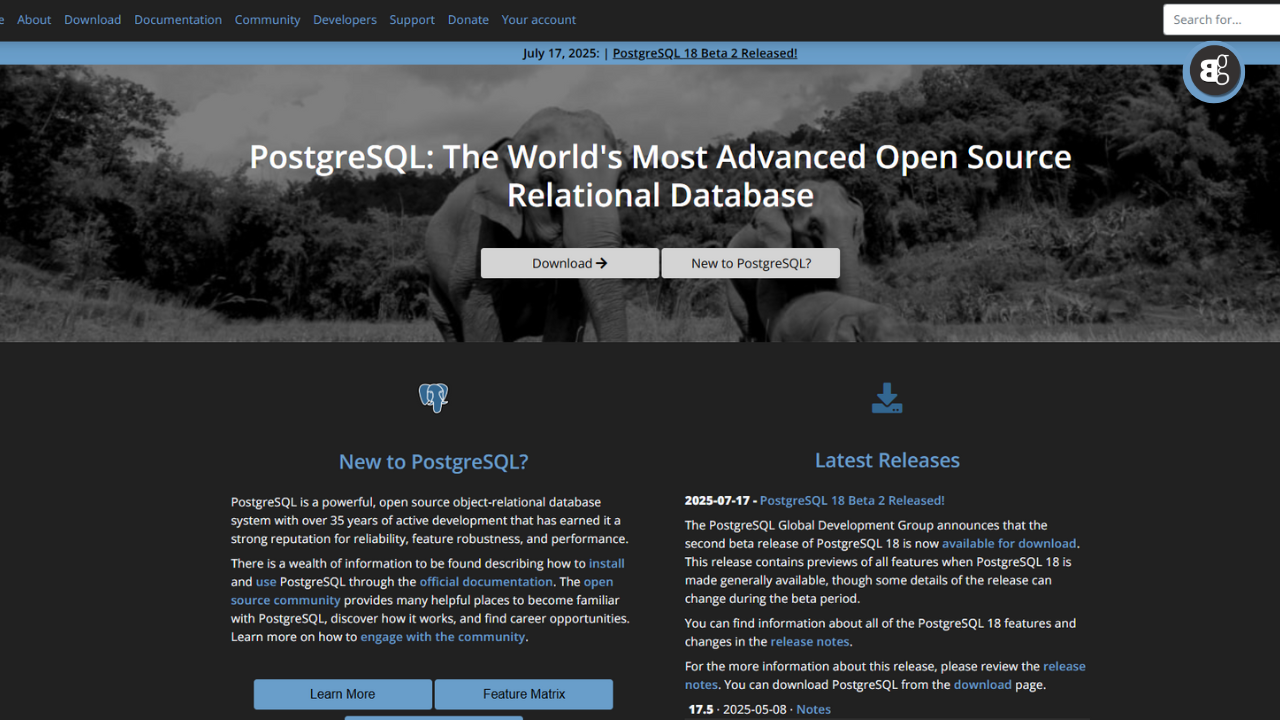
I found SQL scary at first, but PostgreSQL made it manageable. It’s great for learning CRUD operations (Create, Read, Update, Delete), understanding table relationships, and building real-world data apps.
Read More: 20 Game-Changing AI Tools That Are Transforming Everyday Life in 2025
Helpful habit: Use pgAdmin to visualize your database as you practice SQL queries.
6. Jupyter Notebook
Interested in data science or Python? Jupyter Notebook is your playground.
With Jupyter, you can write code and see the output right below it. It’s amazing for learning, experimenting, and even creating reports with visualizations.
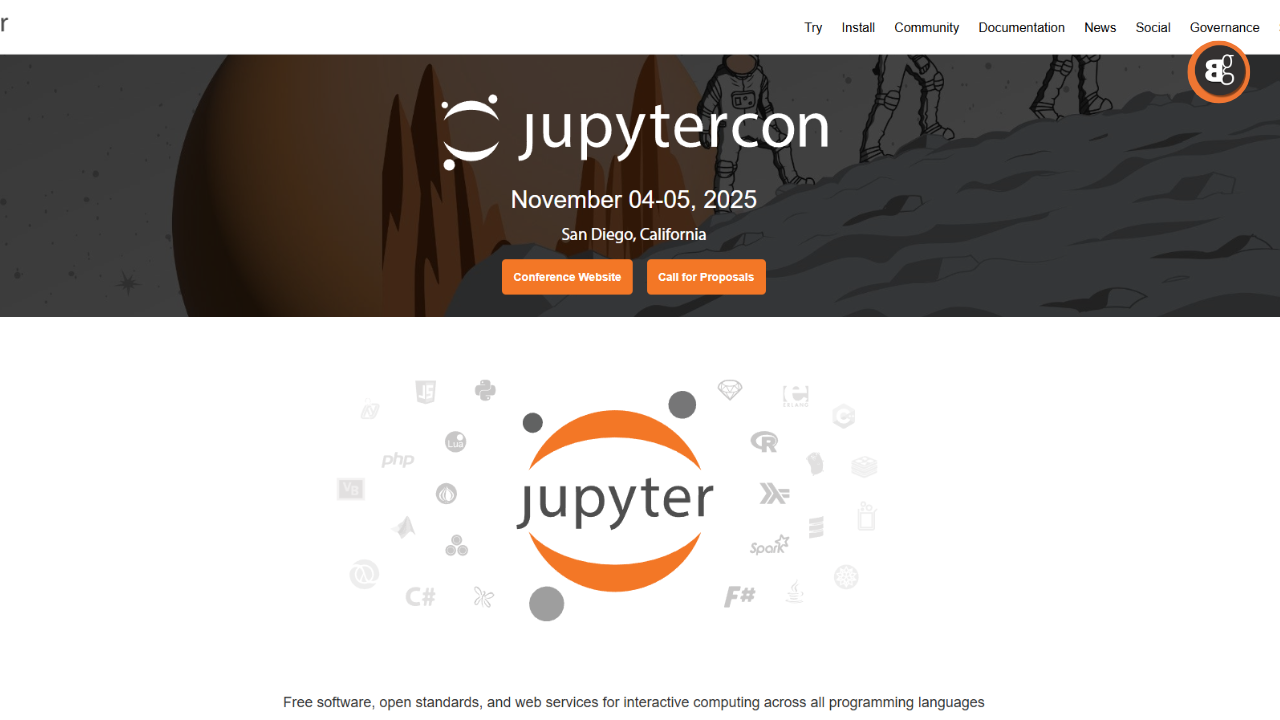
When I started learning machine learning, I used Jupyter to test small Python scripts and document my findings. It helped me build confidence and track progress in a super visual way.
Try this: Load a CSV file and analyze it using Pandas in Jupyter. It feels like magic.
7. Auth0
Security is a big deal and Auth0 makes authentication (like login/signup) easy and secure.
I used to manually write login systems and mess up password encryption. Then I discovered Auth0. It’s open source, simple to integrate, and works with pretty much any tech stack.
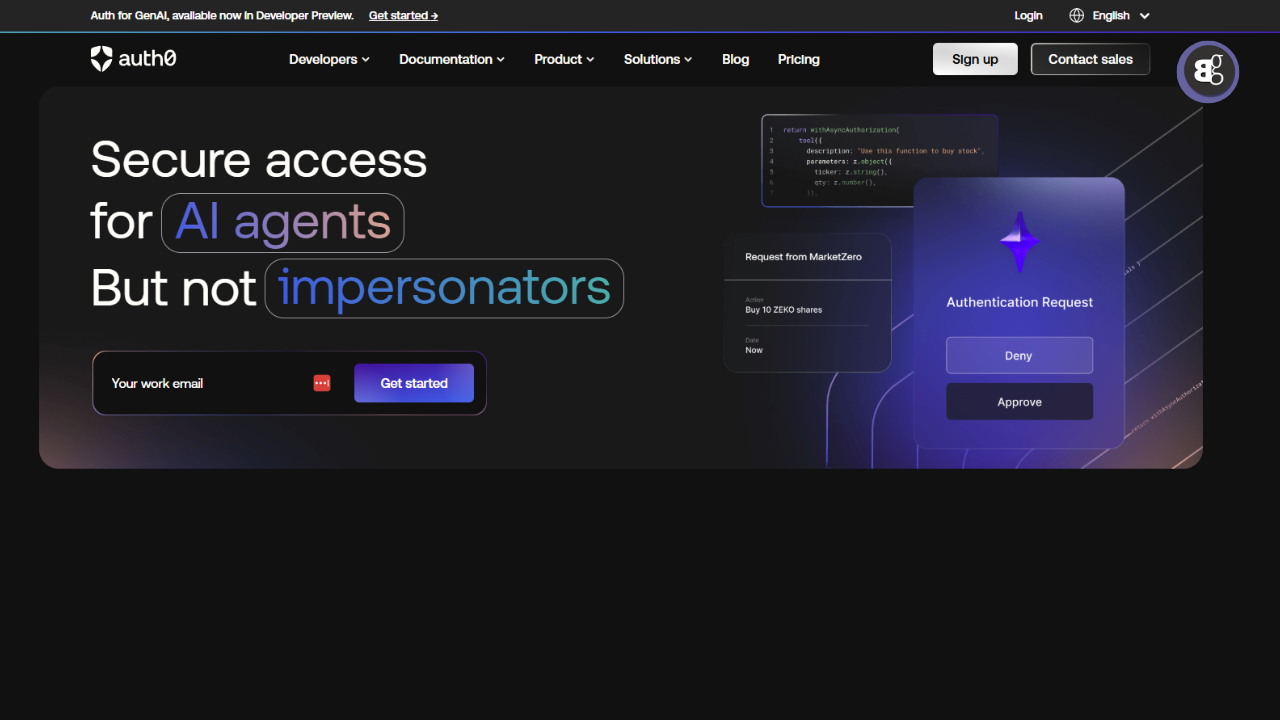
It handles logins, social signins, and user roles so you can focus on building features, not stressing about security holes.
Good first step: Integrate Auth0 with your React or Node.js app. It has beginner guides too!
8. Bootstrap
Last but not least design! Bootstrap is an open source CSS framework that makes your website look beautiful without writing a ton of CSS. As a developer, I used to hate designing UIs until Bootstrap made it fun. Buttons, cards, layouts all responsive and ready to use.
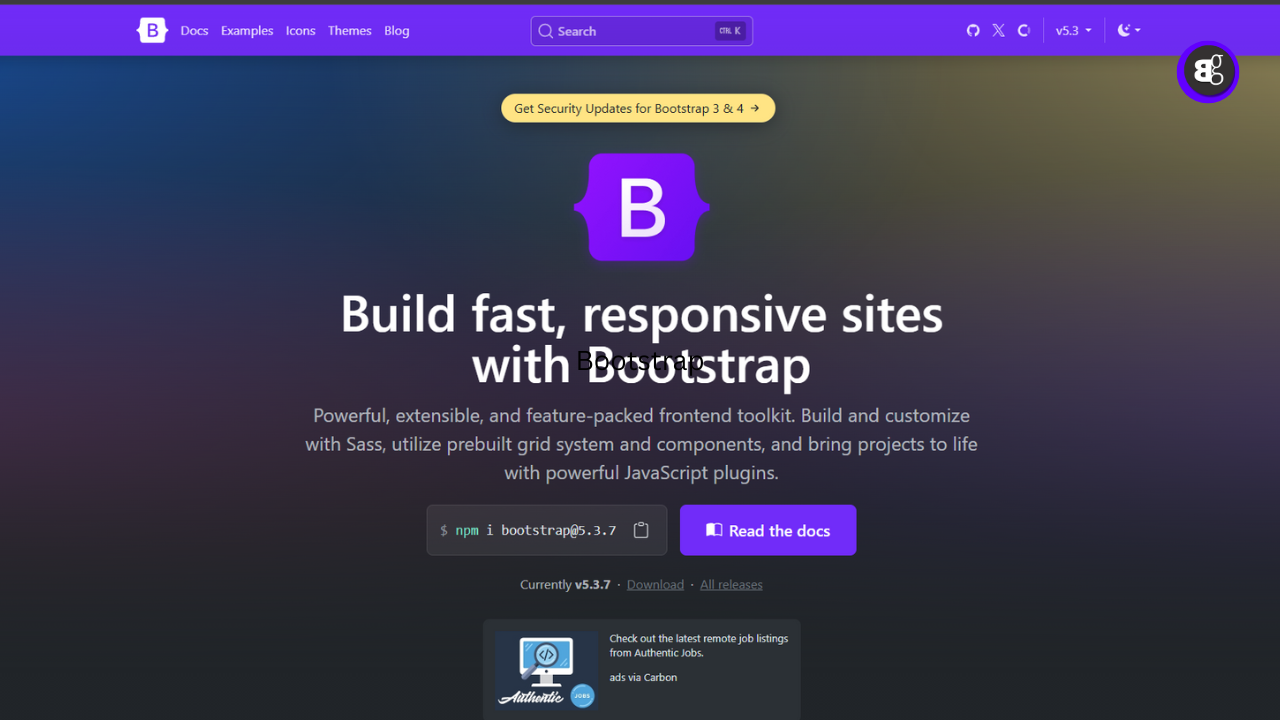
You’ll go from ugly text pages to clean, mobile friendly designs in minutes.
Quick win: Use a Bootstrap template to build your personal portfolio site. You’ll be proud to share it!
Real Example:
In the last i want to tell you just one thing my colleague is using GitHub for version control in coding and application development. He also uses it for backup purposes to save previous code versions, import new code, and manage branches efficiently. Additionally, he’s generating the code for the website “Asani.pk” using GitHub Copilot.
Please go and join Asani.pk Pakistan’s first social media platform 🙂
Conclusion
If you’ve made it this far give yourself a pat on the back. You’re serious about becoming a developer, and that’s something to be proud of. The best part? You don’t need a fancy degree or paid courses to get started. These 8 open source tools to become the developer are all free, powerful, and trusted by the coding community.
Every tool here helped me grow not just technically, but personally. They taught me discipline, problem solving, and creativity. And I know they can do the same for you. Don’t try to learn them all at once. Pick one, build something small, and slowly level up. You’ll be amazed how far you’ll go in just a few months.
Your journey starts now. Your future self is already proud of you.
Leave a comment And Share this post with a friend who dreams of becoming a developer.
FAQ’s: Tools to Become the Developer
Q1: What are the best 8 open source tools to become the developer in 2025?
Absolutely! The top tools include VS Code, GitHub, Docker, Node.js, PostgreSQL, Jupyter Notebook, Auth0, and Bootstrap. These are all free and used by millions of developers around the world.
Q2: I’m a beginner. Can I still use these open source developer tools?
Yes! Every tool on this list is beginner-friendly. Start small, follow tutorials, and build mini-projects. You don’t need to be a coding expert to start using them.
Q3: Are these 8 open source tools to become the developer good for freelancing or jobs?
Totally. Mastering these tools will make your portfolio stronger and increase your chances of getting freelance gigs or junior developer roles.