Madiha Yaqoob
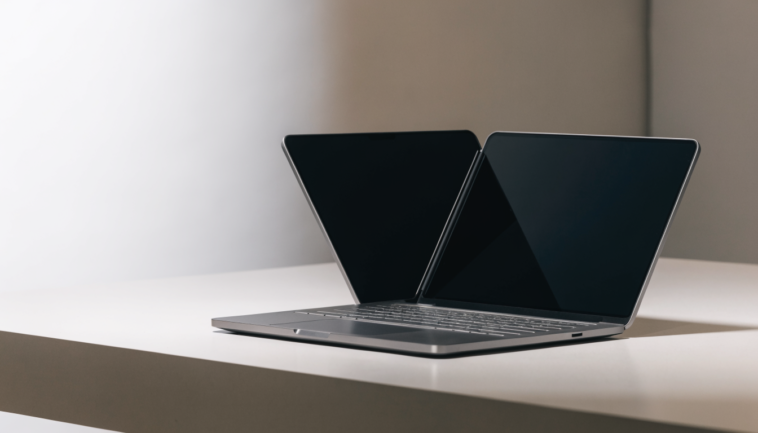
Huawei used its August 2026 launch event to confirm the MateBook Fold PC 2026, a foldable laptop built around its new Kirin X90 Plus chip, while the company’s executive director Richard Yu warned that sharply rising memory costs could soon push smartphone and PC prices higher across the industry, according to Huawei Central.
What Huawei Announced
The MateBook Fold PC 2026 arrives in a new golden finish and is built around the Kirin X90 Plus, which Huawei says delivers a 25 percent performance improvement over its previous-generation chipset. Alongside the flagship foldable, Huawei introduced the budget-focused Nova 16 SE, featuring a 6.84-inch display with 8,000-nit peak brightness, the Kirin 8020 5G chip, an 8,500mAh battery with 66W fast charging, and a 50-megapixel main camera paired with a multispectral sensor, according to Huawei Central’s coverage of the six-product launch event. Huawei also introduced two new PC processors, the Kirin X90 Plus and Kirin XE90, powering a fresh lineup of HarmonyOS laptops.

A Warning About Memory Prices
The more consequential news for the wider industry may be Richard Yu’s warning that surging memory chip costs could trigger widespread price increases across smartphones and PCs. Memory pricing has been a persistent pain point for device makers throughout 2026 as AI data center buildouts have pulled DRAM and NAND flash supply away from consumer electronics and toward server farms. If Huawei is signaling higher prices ahead, competitors sourcing from the same constrained memory supply chain are likely watching the same cost pressure.
Why This Matters Beyond China
Huawei’s hardware push comes as the company continues rebuilding its global device business under US trade restrictions, leaning on HarmonyOS and homegrown chips rather than components tied to restricted foreign supply chains. For beingguru’s tech-industry readers, the memory price warning is arguably more important than any single device launch: rising component costs tend to ripple through the entire consumer electronics market within a few quarters, not just Huawei’s own product line, affecting everything from laptop refresh cycles to the cost of building new hardware startups.
What to Watch Next
With Huawei, Samsung, and other major manufacturers all racing to release flagship hardware this quarter, memory supply and pricing is shaping up to be one of the defining cost pressures of late 2026 for the entire consumer tech sector. Businesses and freelancers who rely on regularly refreshed laptops or mobile devices for their work may want to factor potential price increases into upcoming hardware budgets rather than assuming current pricing will hold through the rest of the year.