mebeing
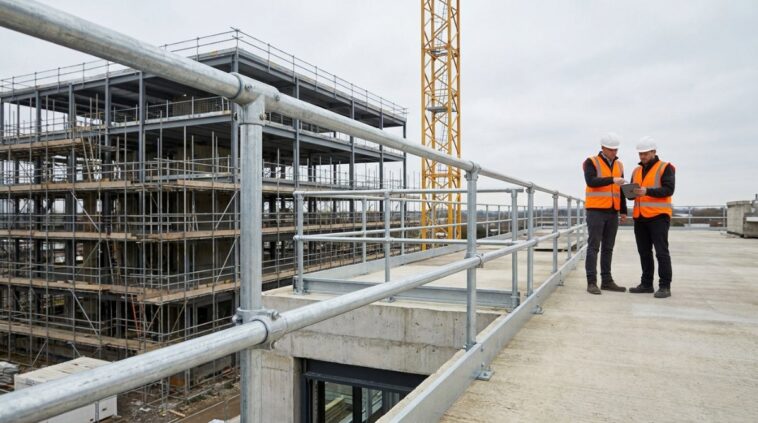
Adaptability matters in modern construction projects because designs, site conditions, budgets and regulations all shift once work begins. Teams that plan for change with flexible schedules, modular methods and clear communication finish closer to budget and deadline. Rigid plans, by contrast, turn every surprise into a costly dispute.
Construction projects rarely progress exactly as first imagined. Designs evolve, site conditions create unexpected challenges, client requirements change, and new regulations or technologies can influence decisions along the way.

For modern construction teams, adaptability is therefore more than a useful quality; it is an important part of delivering practical, efficient and long-lasting projects.
Responding to Changing Project Requirements
Even with detailed planning, changes can arise once construction is underway. A client may request a different layout, equipment specifications might change, or contractors may discover that the original design is difficult to implement on-site.
An adaptable approach makes it easier to respond without unnecessarily disrupting the wider program. Rather than treating every alteration as a major obstacle, project teams can consider alternative materials, components, and installation methods that accommodate changing requirements.
This flexibility can be particularly valuable on complex commercial and industrial projects where multiple contractors and systems need to work together.
Creating Flexible Building Systems
Adaptability should also influence the physical design of a building. Systems that can be altered, extended, or reconfigured may offer significant advantages over permanently fixed solutions.
For example, modular components and mechanical connections can make it easier to adjust structures when operational requirements change. Solutions available through keesystems.com demonstrate how component-based systems can support construction applications where practical flexibility is important.
Designing with future adjustments in mind can reduce the amount of major structural work required when a building eventually needs to change.
Managing Unexpected Site Challenges
Construction sites are unpredictable environments. Restricted access, existing infrastructure, weather conditions, and discrepancies between drawings and actual site conditions can all affect the planned method of work.
Adaptable project teams are better positioned to make informed decisions when these challenges emerge. This does not mean abandoning careful planning. Instead, it means developing plans with enough flexibility to accommodate reasonable changes.
Clear communication is essential here. Designers, contractors, engineers, and clients need effective processes for identifying problems, assessing alternatives, and agreeing changes before they create delays elsewhere in the project.
Supporting Long-Term Building Use
Adaptability remains valuable after construction has finished. Commercial and industrial buildings may remain in use for decades, during which their purpose and occupants’ requirements can change considerably.
Workspaces may need rearranging, production areas could require new equipment, and access systems might need extending. Buildings designed around rigid configurations can make these changes expensive and disruptive.
Considering future modification during the original design process can therefore improve a building’s usefulness throughout its service life. Replaceable, reusable, and configurable elements can also help reduce the need to remove otherwise functional materials whenever changes are required.
Building Resilience Into Construction
Modern construction operates in an environment shaped by changing technology, sustainability expectations, economic pressures, and evolving client demands. Projects that can accommodate change are better prepared for these uncertainties.
Adaptability ultimately involves balancing structure with flexibility. Projects still require clear objectives, budgets, specifications, and schedules, but the methods used to achieve those objectives should allow sensible adjustments when circumstances demand them.
By incorporating flexible thinking into planning, design, and construction, project teams can create buildings that meet today’s requirements while remaining practical enough to respond to tomorrow’s.
FAQ
What makes a construction project adaptable?
Adaptable projects share three traits: contracts that anticipate variation, procurement that allows substitute materials, and a site team empowered to make decisions quickly. The same principle applies to any venture, which is why so many business ideas in Pakistan succeed or fail on how quickly the owner responds to changing conditions rather than on the original plan.
How does adaptability affect construction costs?
Change is cheapest when it is caught early. Flexible design reviews and digital models let teams test alternatives before concrete is poured, which is where most cost overruns are locked in.
Which skills help construction teams adapt faster?
Scheduling, risk assessment, digital modelling and negotiation. These are transferable skills, and many of them are covered in our guide to starting a freelance business.
Related reading
Last updated: August 2026.