

 mebeing
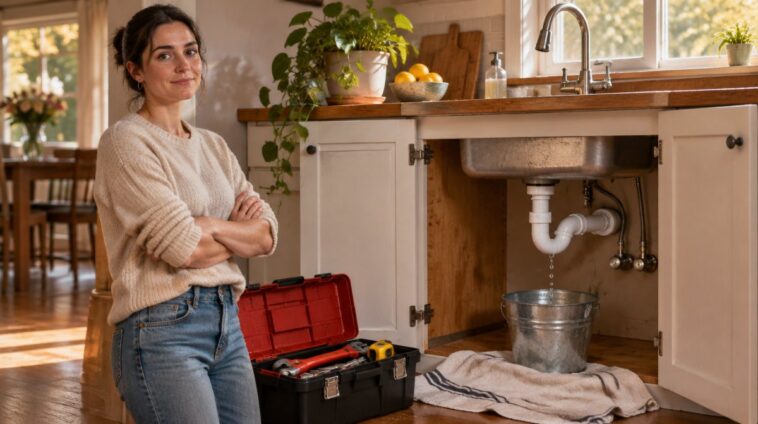
Emergency plumbing and water damage
- Know which plumbing situations require an urgent call-out, if it’s just a small tap dripping into a basin, turn off the tap isolation valve, put a basin underneath and call a plumber to arrange a convenient time to come and fix it. But if there’s water pouring out of an appliance, pipe or even your ceiling, your toilet, sink or another drain is backing up and won’t clear, sewage is backing up in your drains, you have no water when you should, your water heater is leaking significantly or making strange noises, or there’s a possible gas leak somewhere near your plumbing, call your plumber for emergency service.
First, make the scene safer
- If there’s any chance water could get to your electrical outlets, appliances or any other live electrical components, don’t get near them until you’re able to isolate the problem, and switch off the power if you can safely do so from a dry area.
Household plumbing shut-off valve

- Know where your main water shut-off valve, which CNET covers at https://www.thespruce.com/how-to-find-main-water-shutoff-valve-1822492, is. Often this will be either near where your water line enters your home or near your water meter, but it could also be in a utility room. Learn how to operate it during non-emergency times.
- Many appliances and fixtures have their own shut-off valves, your toilet, for example, will almost certainly have one. If you know where to find and how to operate these valves, you’ll be able to cut off the flow of water to the affected area and minimise damage to other parts of your home.
- Move rugs, furniture, electronics, and anything else that will absorb water out of harm’s way. If you can’t shut the water off completely, try to stem the flow by placing buckets, towels or other water-absorbent materials near the problem area. Don’t, however, attempt to fix pressurised pipes, turn on the power, take apart walls or attempt any other plumbing-related tasks unless you have the necessary tools and know-how.
Give the plumber the clearest picture
- Try not to panic. Take note of how the problem started (was it gradual or all of a sudden?), what the problem area looks like (are there any stains? Is the water discoloured? Are there any strange smells?), what rooms are affected, whether you’ve tried anything else to solve the problem (such as plunging or snaking a drain or using drain cleaner) and whether it’s drain water, sewage or plain water that’s leaking. Take pictures for reference and documentation.
- When you call your plumber, have all of the above information available and succinctly describe the situation to the dispatcher so the plumber knows what’s happening and what tools he may need to bring with him. For urgent leaks or other plumbing emergencies, contact a provider offering Emergency Plumbing in Altoona Pennsylvania.
Do not thaw frozen pipes with open flame or high-heat sources (e.g., propane heaters). Thawing frozen pipes with open flame or high-heat sources may cause pipes to burst.
Freezing temperatures in Altoona can exacerbate even the smallest plumbing issue into an emergency. Some signs of frozen pipes include little to no water coming out of one of your fixtures, whistling or banging sounds coming from within walls and frost forming on the outside of pipes. If you suspect a frozen pipe that you cannot gain access to, a bulging pipe, a leaking pipe or a frozen pipe located within your walls or ceiling – call for professional service. Pipes you can safely access should have the faucet left slightly open and heated with only gentle, indirect heat.
Know where your water shut-off valve, electrical panel and water heater are located. Altoona homes typically have their water heater, floor drains and other utility lines located in the basement, making it important to keep these areas free of clutter so emergency workers can easily access these items without having to move stored items.
Do not allow children or pets to play in wastewater and do not use any plumbing fixtures until wastewater has been cleaned up. Never clean up wastewater without proper protection.
Once the leak is under control
- When the emergency situation is under control, thoroughly dry out any affected areas and check for any wet drywall, insulation, flooring, cabinets, etc. Leave windows and doors open (if it’s safe to do so) to help dry out the air. Have any wet materials professionally inspected/dried out before restoring water service.
- If you notice any of the following, low water pressure, discoloured water, slow drains, recurring drain clogs, dampness around your water heater or under sinks, unexplained wet spots or increased utility bills, call your plumber to schedule a convenient time for him to come inspect the problem. Catching small problems before they turn into plumbing disasters can potentially save you thousands of dollars!
- If your drains get clogged often or your home/plumbing is on the older side, schedule drain and/or pipe inspections/cleanings regularly to catch problems before they become serious. Have your plumber check for slow-draining pipes, mineral and grease build-up, corroded/deteriorating pipes, loose connections, etc.