Hassan Khan
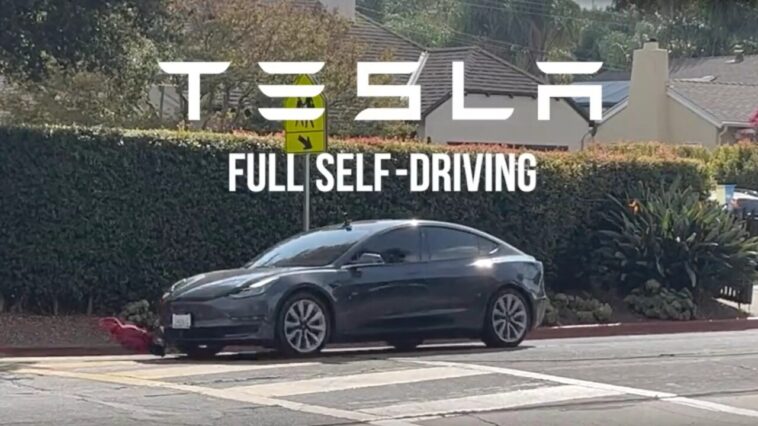
Tesla Full Self Driving stays legal in most of the United States because it is classified and regulated as a driver assistance system rather than an autonomous one. Responsibility for the vehicle remains with the person in the driver seat, and federal rules leave that category largely to manufacturer self certification, with investigations opened after incidents instead of approval required beforehand. The distance between what the product is called and what it is legally permitted to do is the whole controversy, and it is the same distance that makes genuinely autonomous driving so slow to arrive.
Elon Musk has long promised that Tesla will revolutionize transportation with its Full Self Driving (FSD) system, pitching it as a gateway to robotaxis and a new era of personal autonomy on the road. His ambitious goals including one million robotaxis and 10 million FSD users within a decade are even tied to his massive $1 trillion compensation package.

But recent evaluations of FSD show the technology still has a long way to go. A Forbes road test in Los Angeles found the system ignoring traffic signs, accelerating at awkward moments, and even failing to slow for pedestrians at crossings. For a feature that costs $8,000 upfront or $99 a month, the errors raise real safety questions.
Why Is Full Self Driving Still Legal?
The surprising answer is that U.S. regulators have yet to enforce strong rules on driver assist systems like Tesla’s. Current laws only require automakers to include in car monitoring to ensure drivers stay alert. That loophole allows Tesla to sell FSD under the label of “Level 2 Automation,” meaning it still needs human supervision.
Critics like Missy Cummings, an AI and autonomous driving expert, warn that this regulatory gap enables Musk to market a product that feels more advanced than it really is all while putting the burden of safety on drivers themselves.
Accidents, Lawsuits, and Mounting Pressure
Tesla history with FSD and its Autopilot system is far from flawless. Since 2016, dozens of fatal accidents have been linked to its driver assist features, with watchdog site TeslaDeaths.com reporting 59 deaths to date.
The company is also battling lawsuits from owners who argue Musk exaggerated FSD’s capabilities, while regulators like the California DMV are challenging Tesla’s right to even use names like “Full Self Driving” and “Autopilot.” Most recently, a jury in Florida ordered Tesla to pay $243 million in damages over a deadly Autopilot crash.
Critics Call It a Prototype, Not a Product
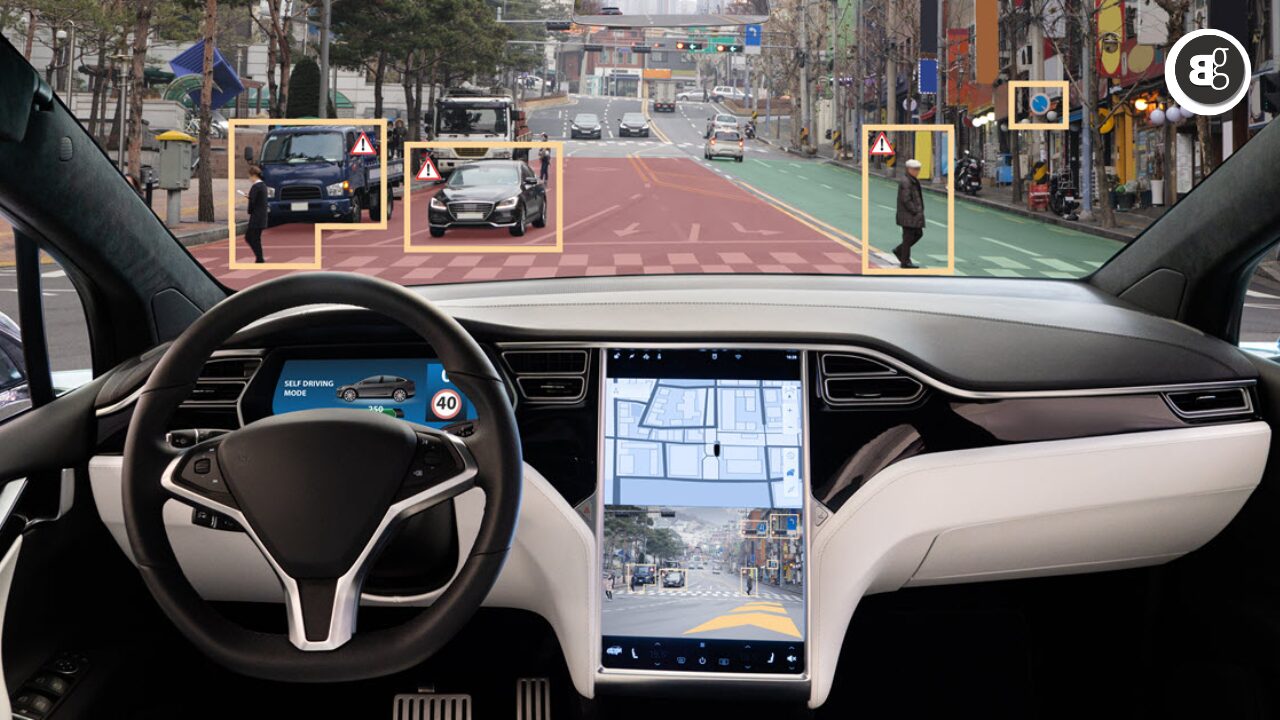
Perhaps the harshest criticism comes from Dan O’Dowd, founder of the Dawn Project, who has spent years exposing flaws in FSD. In multiple tests, Tesla cars failed to stop for flashing school bus signs a basic safety expectation. O’Dowd argues the system is still in an “Alpha stage” and should never have been sold to the public.
Independent reviewers like Edmunds echo this concern, describing the system as “Annoying” and unreliable, often forcing drivers to step in at critical moments.
Read More: Tesla Proposes Historic $1 Trillion Pay Package for Elon Musk
What Comes Next for Tesla’s FSD?
Despite these setbacks, Musk remains unwavering in his vision, continuing to promote FSD as a life-saving innovation. Tesla has even begun testing robotaxis in Austin, though these still require a safety driver in the front seat unlike rival Waymo, which operates fully driverless cars in several U.S. cities.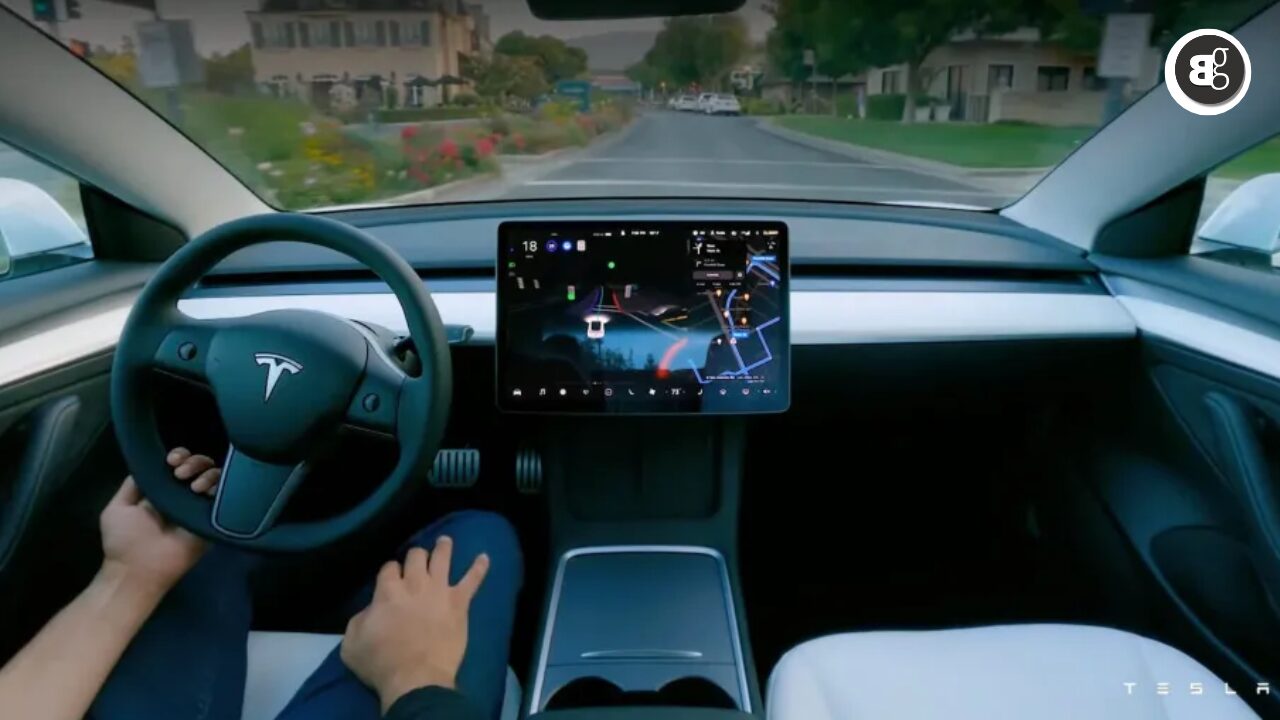
Regulators are under pressure to step up oversight. The National Highway Traffic Safety Administration (NHTSA) recently opened an investigation into Tesla’s accident reporting practices, leaving the possibility of stronger action in the future.
For now, FSD sits in a controversial middle ground marketed as the future, but criticized as unfinished and unsafe. Whether Musk can deliver on his bold promises will depend not just on technology, but also on how long regulators allow Tesla to keep testing on public roads.
Summary
Common questions about Tesla Full Self Driving
Is Full Self Driving actually autonomous?
No. It is sold and regulated as a supervised package, which means the driver has to keep their eyes on the road and their hands available at all times. The car uses an interior camera to check that they are.
Liability when the car is doing the driving
In a crash involving a supervised system, liability sits with the driver by default. Manufacturer liability generally becomes a question only where a defect or a misleading claim about the system can be shown, which is why marketing language matters so much in these cases.
Can regulators force a name change?
Consumer protection and advertising regulators can act against a product name they consider misleading, and several have examined this one. That route is slower than a safety recall and tends to end in negotiated wording rather than an outright ban.