Hajra Naz
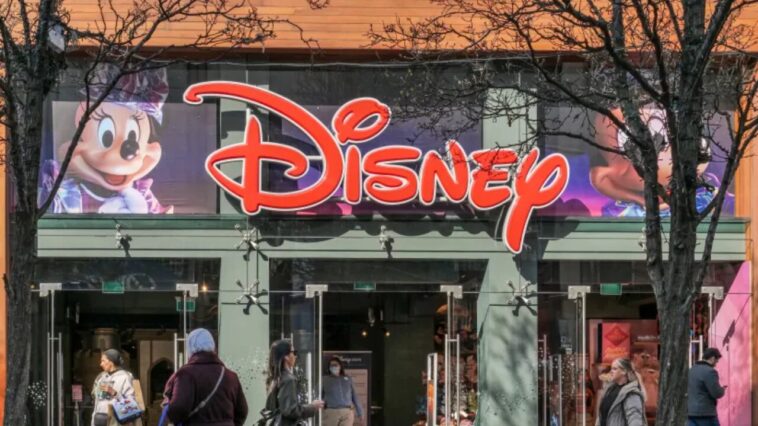
The copyright fight between Midjourney and Hollywood has taken another twist.
This time, the AI image generator isn’t just defending itself. It’s asking Disney, Universal, and Warner Bros. to open their own books and explain how they use artificial intelligence behind the scenes.

Midjourney believes that information could become one of the strongest pieces of evidence in the case.
The Lawsuit Started Over Copyright
The legal battle began last year.
Disney and Universal sued Midjourney, accusing the company of copying famous characters without permission. According to the studios, users could generate images featuring characters like Darth Vader and Bart Simpson through Midjourney’s AI system.
Warner Bros. joined the lawsuit a few months later, making similar copyright claims.
Midjourney, however, sees things differently.
The company argues that training AI models on copyrighted material can qualify as fair use. It says learning from existing images isn’t the same as reproducing them.
That disagreement now sits at the center of one of the AI industry’s most closely watched copyright cases.
Now the focus has shifted.
The latest fight isn’t really about AI-generated images.
It’s about documents.
Both sides are currently going through the discovery phase, where they exchange evidence before the case moves forward.
Earlier, the judge ordered the studios to provide records showing how they use generative AI. But there was a catch.
The ruling applied only to AI-generated images and videos released to the public.
Midjourney says that the limitation doesn’t go far enough.
Read More: Midjourney Launches V1, Its First AI Video Generation Model
“Show Everything,” Midjourney Says
According to the startup, the studios shouldn’t be allowed to decide which AI records matter.
In a recent court filing, Midjourney argued that Hollywood companies can currently hand over documents that support their own arguments while keeping other material out of sight.
The company believes those missing records could tell a very different story.
Specifically, Midjourney wants to know what happens inside the studios, not just what reaches moviegoers.
What Happens Behind Closed Doors?
Midjourney suspects the studios may already be experimenting with AI for internal production work.
That could include storyboarding. It could include concept art. It could even include brainstorming ideas for future films and television shows.
If those systems were trained using copyrighted material without permission, Midjourney says it would show that Hollywood is relying on techniques similar to the ones it is challenging in court.
Whether that’s true remains unknown. That’s exactly why the company wants the documents.
The Startup Also Wants Every Prompt
Midjourney isn’t stopping there.
It also wants the studios to hand over every prompt they entered into its platform—not only the prompts that produced images mentioned in the lawsuit.
The company argues that showing only a handful of examples creates an incomplete picture.
Looking at every prompt and every generated image, it says, would provide a fairer view of how the platform actually performs.
Hollywood Calls It a Fishing Expedition
The studios aren’t convinced.
Their lead attorney, David Singer, has already pushed back against Midjourney’s request.
He described it as nothing more than a “fishing expedition,” suggesting the company is asking for broad categories of information without proving they’re relevant to the lawsuit.
Singer has also rejected the idea that Hollywood is trying to stop artificial intelligence altogether.
According to him, that’s never been the goal.
Instead, the studios want Midjourney to stop generating images based on copyrighted movies, television shows, and well-known fictional characters without permission.
A Case With Bigger Consequences
The lawsuit has become much larger than a dispute between one AI company and three movie studios.
Legal experts are watching closely because the outcome could shape future copyright rules for generative AI.
The court’s decisions may influence how AI companies train their models, how copyright law applies to machine learning, and what responsibilities developers have when using publicly available content.
For now, one question stands out.
Will Hollywood have to reveal how it uses AI inside its own studios?
Midjourney believes the answer should be yes. The studios strongly disagree.
The court will eventually decide whether those internal AI records become part of one of the most important copyright cases in the artificial intelligence era.