Hajra Naz
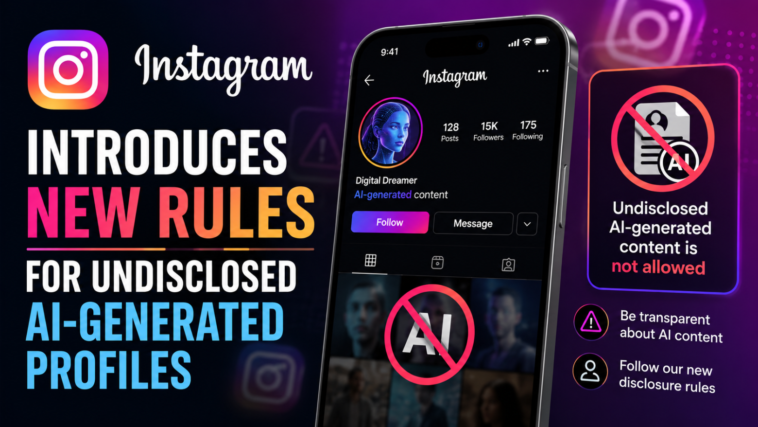
Instagram made an important announcement on Monday. The platform is changing how it labels AI-generated profiles. It will also start limiting reach for certain accounts. Specifically, this applies to accounts that feature AI-generated people without proper disclosure.
Instagram is renaming an existing label. The current “AI creator” label will become “AI-generated profile.” According to Instagram, this change should make disclosure easier to understand. The new label serves one clear purpose. It tells users when a profile’s featured person was generated, or substantially created, using AI.

This new policy comes with real consequences. Creators who fail to properly label an AI-generated profile could see reduced reach. On the other hand, creators who use the new label correctly won’t face penalties. That’s true simply for featuring an AI-generated person as their profile subject.

It’s important to note what this label doesn’t cover. Instagram clarified that this requirement doesn’t apply to every use of AI. People who use AI tools to edit photos don’t need this label. The same applies to those who polish captions using AI. Creating graphics or making other creative tweaks with AI doesn’t require the label either.
Read More: Instagram Wants to Give You More Control Over Your Algorithm
Instagram explained the motivation behind this change. Part of it stems directly from user complaints. Many users have encountered profiles that appeared to belong to real people. Later, they discovered the profile subject was completely AI-generated instead.
“As generative AI becomes a bigger part of how people create, we’ve heard that people don’t like seeing a profile that seems human, only to find out later that the person featured is AI-generated,” Instagram wrote. “They want to know when a profile features an AI-generated person.”
The timing of this announcement feels significant. Frustration over AI-generated content has been building steadily. This comes as AI influencers become increasingly common across social media platforms.
One clear example emerged earlier this year. The gay dating app Goose became the subject of a Wired investigation. That investigation revealed something troubling. A network of apparently AI-generated male influencers had been promoting the app on Instagram.
Wired identified more than two dozen accounts featuring apparent AI influencers. Some of these accounts reportedly reached out directly to potential users. They used direct messages to encourage sign-ups.
Health and wellness content presents another concerning case. The New York Times reported on this issue back in July. The outlet found hundreds of AI-generated doctors, healers, and wellness personalities. These fake personas were promoting supplements across social media. Some were also making unverified health claims to users.
This announcement follows an earlier controversy for Instagram too. The platform previously faced backlash over an AI tool. That tool let users generate images using other people’s likenesses. Users pushed back hard against this feature. Many objected specifically to having their public Instagram content used. This happened without any explicit opt-in from users. Meta eventually removed that controversial feature entirely.
Read More: Instagram shares tips to help creators make better videos
Last week, Meta reached a major legal settlement. The company agreed to pay $18 billion total. This settlement resolved a lawsuit brought by U.S. states. The case centered on allegations about harm to children and teenagers. That harm was linked specifically to Facebook and Instagram.
As part of this agreement, Meta committed to several changes. The company will introduce a default two-hour daily usage limit. This applies to teens using Facebook and Instagram. Meta will also add a “Night Mode” block. Notifications will be muted during school hours too. Several other restrictions are included in the settlement as well.